-
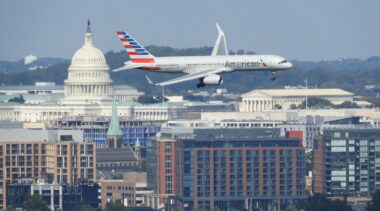
Modernizing the passenger facility charge to improve aviation
Modernizing the passenger facility charge would improve airports and increase airline competition.
-
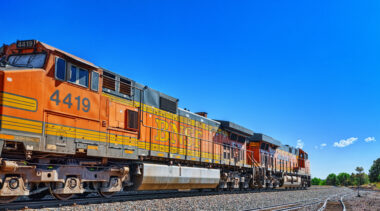
Freight rail deregulation: Past experience and future reforms
Advancing the public interest demands that regulators consider the unique characteristics of the industry in question and its role in the broader economy over the long-run.
-
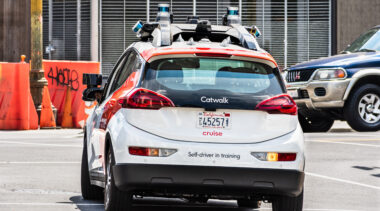
Automated vehicle policy recommendations for the 118th Congress
The future of automated driving systems and how to refocus federal policymaking on productive near-term activities.
-
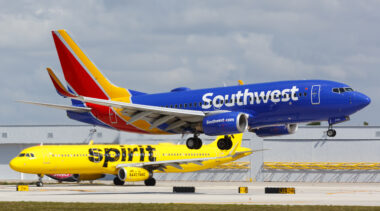
Airline deregulation: Past experience and future reforms
The U.S. experience with airline deregulation shows that eliminating government barriers to competition can generate enormous benefits for consumers.
-
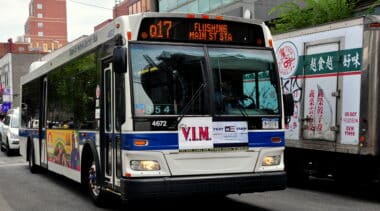
Addressing the transit productivity crisis
Public transit ridership is unlikely to recover to pre-pandemic levels within the next decade.
-

Annual Aviation Infrastructure Report 2025
For the world overall, 45% of all passenger air traffic moves through airports with significant private investment.
-

Advanced air mobility infrastructure: Considerations for state policymakers
Advanced air mobility services aim to bring small-scale aviation to the local and regional transportation markets currently dominated by automobiles.
-
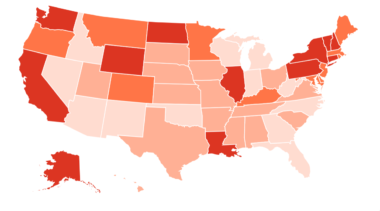
K-12 Education Spending Spotlight 2021: An in-depth look at school finance data and trends
Reason Foundation’s 2019 K-12 Education Spending Spotlight provides critical insight into key school finance trends across the country by providing policymakers, researchers, and other stakeholders easy access to K-12 education spending data in every state.
-

U.S. Space Traffic Management and Orbital Debris Policy
Public-private partnerships could improve the tracking and removal of space debris and better manage space traffic.
-
Best practices for cost-of-living adjustment designs in public pension systems
Striking the proper balance between cost, risk, and benefits in a way that works for both employees and employers.
-
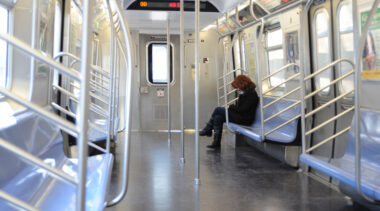
Mass Transit Systems Face Critical Challenges Now and When COVID-19 Pandemic Is Over
Public transportation is uniquely sensitive to changes in the number of people working from home, changes in commuting patterns, and concerns over public health and safety.
-
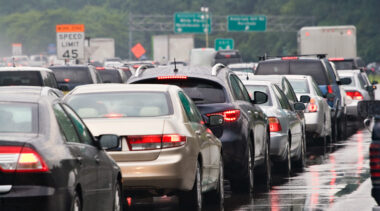
Examining the causes of induced demand and the future of highway expansion
The most effective method for reducing induced demand is to implement pricing on highways.
-

Transportation and climate change: Travel trends and GHG emissions
As the single largest domestic GHG emissions-producing sector, transportation is inevitably a focus of climate change mitigation initiatives.
-

Transportation and climate change: Public transit
This report focuses primarily on operating energy intensiveness and transportation energy impacts as affected by public transportation’s influence on land use.
-

Transportation and climate change: Urban mobility in a climate-sensitive world
Transportation is undergoing its most profound changes in over half a century.
-
What Factors Impact Public Pension Reform?
This brief analyzes several different factors that impact the likelihood of state policymakers making changes to a pension plan.
-
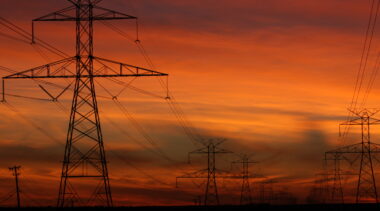
The 2021 Texas Power Crisis: What Happened and What Can Be Done to Avoid Another One?
This report focuses on ERCOT and the electric power system because the power outages were the proximate cause of many hardships suffered during the failures.
-

Refocusing U.S. welfare policy on economic opportunity
This study examines how the welfare system and banking, housing, criminal justice, and labor market regulations reduce and undermine opportunities for low-income Americans.