-

Louisiana needs to transition from per-gallon gas taxes to per-mile user fees
With a mid-level shift to electric vehicles, Louisiana could anticipate annual fuel tax revenue would be reduced by $250 million by 2040 and over $325 million by 2050.
-
FTC’s lawsuit against Facebook is a test case for path-breaking interpretation of antitrust policy
If the FTC can convince the courts that Facebook’s allegedly anticompetitive behavior has damaged the market, the default solution is nothing short of the dismantling of the company.
-
Study: Menthol cigarettes do not increase youth smoking more than other cigarettes
This study concludes that menthol cigarette availability does not pose a greater threat to public health than regular cigarette availability.
-
The importance of North Carolina’s ports and how to improve them
This policy report examines the roles ports play in North Carolina’s economy, as well as how they are operated.
-
Drug Legalization Handbook
"America needs to recognize that we will not see a reduction in violent crimes until we legalize drugs. All drugs."
-
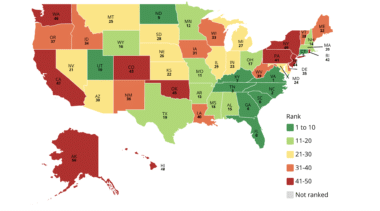
Public schools without boundaries 2023: Ranking every state’s open enrollment laws
Six states, including Arizona and Florida, have implemented four out of five best practices for public school open enrollment, but 34 states have implemented one or none.
-
Antitrust policy: The challenge of high-tech digital platforms
Suppressing incentives for innovation by categorically ratcheting up antitrust enforcement risks errors that weigh decidedly against efficiency and consumer welfare.
-
Five actions transit agencies should take in the next two years
With transit ridership down, most large transit agencies will likely face a severe financial cliff in late 2024 when federal stimulus funds have been depleted.
-
California’s Age-Appropriate Design Code Act threatens the foundational principle of the internet
The AADC’s age assurance requirement erects onerous barriers that would discourage internet use and chill protected speech.
-
Five actions transit agencies should take immediately
U.S. transit agencies need to make a series of changes that will reform their boards, contract out service, and better serve riders.
-
Tolling rural Interstate corridors
Using tolling to refinance the reconstruction of rural highways is the most realistic option to rebuild and expand these important roadways.
-
Video Game Loot Boxes: Anatomy of a Moral Panic
There is no evidence to suggest that loot box spending is excessive among adults or adolescents or that it is responsible for any widespread harm.
-
Refocusing U.S. welfare policy on economic opportunity
This study examines how the welfare system and banking, housing, criminal justice, and labor market regulations reduce and undermine opportunities for low-income Americans.
-
Air traffic control as a public utility
The case for changing the way air traffic control is provided in the United States.
-
Using DBFOM public-private partnerships benefits drivers, states and transportation contractors
Strategic use of design-build-finance-operate-maintain public-private partnerships for major transportation projects considerably expands the total money available for transportation infrastructure.
-
Modernizing psilocybin policy to improve mental health outcomes
Psychedelics have the potential to be more effective than conventional drugs now being used to treat a range of mental health disorders.
-
Fiduciary principles need to be reaffirmed and strengthened in public pension plans
"The exclusive purpose of investing pension assets must be to provide pension benefits and defray reasonable expenses—nothing else."
-