-

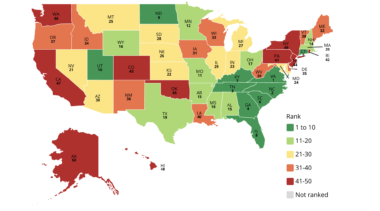
Annual Highway Report: Ranking each state’s highway conditions and cost-effectiveness
The Annual Highway Report examines every state's pavement and bridge conditions, traffic fatalities, congestion delays, spending per mile, administrative costs, and more.
-
-

-
28th Annual Highway Report: Executive summary of findings and state rankings
The Annual Highway Report examines every state's road pavement and bridge conditions, traffic fatalities, congestion delays, spending per mile, administrative costs, and more.
-
29th Annual Highway Report: Summary of findings and rankings
Four of the top five states, Virginia, Georgia, North Carolina, and Ohio, rank among the 15 most populous states in the country.
-
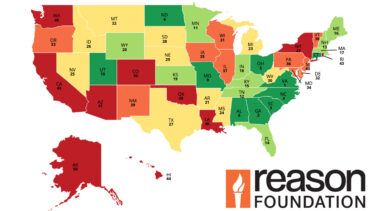
29th Annual Highway Report: Virginia and Georgia have best-performing, most cost-effective highways, while Alaska and California have worst
The study examines every state's roads and bridges in 13 categories, including traffic fatalities, pavement condition, congestion, deficient bridges, and spending.
-

Contracting Mass Transit Services: A How-to-Guide
This how-to guide shows how to successfully contract for mass transit services.
-

Risks and Rewards of Public-Private Partnerships for Highways
The reasons public-private partnerships are being used to fund infrastructure
-
Evaluating and Improving the Transportation Investment Generating Economic Recovery (TIGER) Grants
Narrowing the focus to nationally important transportation projects with proven economic benefits
-
The Senate’s Transportation Bill Attacks Public-Private Partnerships
How and why the surface transportation reauthorization bill would deprive states of a much-needed tool for expanding investment in highways and transit
-

The Proposed Texas High-Speed Rail Project Requires Caution
There is a probability that if this project is built and put into operation, Texas Central will default on its loans, require a taxpayer bailout, or both.
-

Using Tolling and Public-Private Partnerships to Finance Louisiana’s Roadways
Tolling is the most ideal user fee because there is a direct link between the toll and the specific road infrastructure used.
-
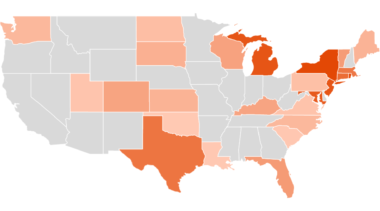
How Much Gas Tax Money States Divert Away From Roads
Examining the percentage of state gas tax revenue that is allocated for expenses unrelated to roads, including money shifted to law enforcement, education, tourism, environmental programs and more.
-

COVID-19 And Soaring Costs Are New Challenges for Texas High-Speed Rail Line
If Texas Central chooses to move ahead with this high-speed rail project, lawmakers and taxpayers should ensure it does not receive stimulus funding.
-

Contracting Mass Transit Services
Transit contracting should always follow three principles: guaranteeing public control, promoting competition, and ensuring transparency.
-

Vanpools: The forgotten mode of mass transit
Vanpools are a high-quality, low-cost mass transit option.
-

How Washington state can transition from the gas tax to road usage charges
This brief suggests a policy framework for developing a road usage charge program in Washington and an implementation order that builds on systems already in place on the state’s major highways.
-
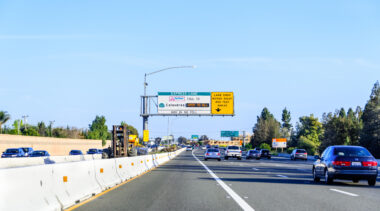
Converting high occupancy vehicle lanes to high occupancy toll lanes or express toll lanes
This brief examines why and how high-occupancy vehicle lanes are converted, how much the conversions cost, and how high-occupancy toll and express toll lanes have performed.