-
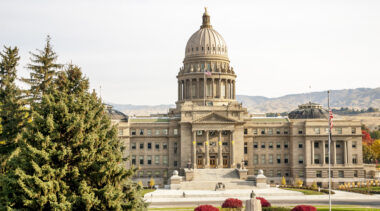
Modernizing School Finance in Idaho
This policy brief provides a brief overview of Idaho’s school finance system, highlights its primary shortcomings, and makes several recommendations for reform.
-

Fiscal Explainer: Texas Charter School Funding Analysis
Between 2015 and 2019, the inflation-adjusted funding gap between public charter schools and traditional public schools grew by about 36 percent—from $596 per pupil to $813 per pupil.
-

K-12 funding in Tennessee: A student-centered approach
By adopting a student-centered funding model, Tennessee would replace the state's outdated education finance system that lacks transparency and local control.
-

Public education funding without boundaries: How to get K-12 dollars to follow open enrollment students
How to ensure state and local education funds flow seamlessly across district boundaries.
-

The cost of state hold harmless policies in K-12 education
With widespread public school enrollment losses in the wake of the COVID-19 pandemic, the financial costs of some hold harmless policies have increased exponentially.
-
-

School Choice, Funding Portability, and Trends In Educational Privatization
Education Chapter of Annual Privatization Report 2014
-
Federal School Finance Reform
Moving Toward Title I Funding Following the Child
-
Annual Privatization Report 2013: Education
Education chapter of Reason Foundation's Annual Privatization Report 2013
-
Pension Reform Handbook: A Starter Guide for Reformers
How policymakers can implement fiscally sustainable pension reforms that are fair to both taxpayers and government workers
-
-
-
Lobbying, Cronyism and Section 1705 Loan Guarantees
Why the Department of Energy should stop guaranteeing loans for green energy projects
-

Analysis of the California Public Employees’ Pension Reform Act of 2013 (PEPRA)
PEPRA failed to substantially reform California's pension systems.
-
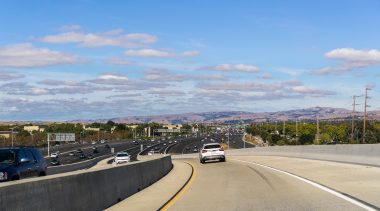
Frequently Asked Questions About Managed Lanes
Managed lanes can provide motorists with a reliable means of completing their commutes and reduce funding uncertainties that plague many infrastructure systems.
-

13 Frequently Asked Questions About Mileage-Based User Fees
With the gas tax becoming increasingly unsustainable, mileage-based user fees offer a fair, reliable and sustainable funding mechanism for roadways.
-
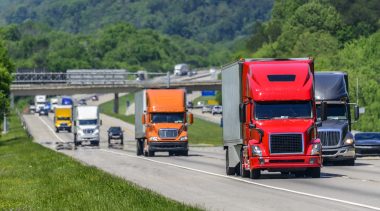
24th Annual Highway Report
North Dakota, Virginia and Missouri have the best performing, most cost-efficient state highway systems, while New Jersey, Rhode Island and Hawaii have the worst.
-
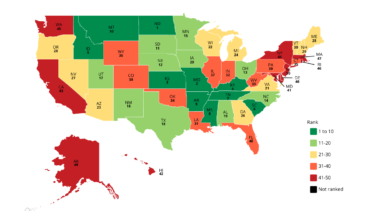
25th Annual Highway Report
The 25th Annual Highway Report measures the condition and cost-effectiveness of state-controlled highways in 13 categories, including pavement condition, traffic congestion, fatalities, and spending per mile.