-

Colorado becomes the first state to address wrongful arrests and convictions caused by unreliable field drug tests
More than half of the roughly 1.5 million drug arrests conducted in the United States each year involve notoriously unreliable colorimetric field drug tests.
-
Why isn’t the Food and Drug Administration celebrating the decline in youth tobacco use?
High school e-cigarette use now stands at 7.1 percent, down from 27.5 percent in 2019.
-
Federal transit policy incentivizes wrong actions for riders
Federal transit programs should prioritize maintaining and improving current systems before funding major expansions.
-
A teacher strike would hurt kids, but LAUSD can’t afford to give in to the union’s demands
A lengthy teachers’ strike would harm students, but giving in to union demands risks weakening the district’s ability to serve those students for years to come.
-
Better data collection is the key to improving pregnancy care behind bars
Across the United States, at least 1,157 pregnant women are admitted to prison each year.
-
Students with disabilities account for more than one in 10 open enrollment participants
Senate Bill 101 would help New Hampshire’s families by expanding public schooling options for all students, including those with disabilities.
-
How to help working moms in the public sector? Flexible retirement benefits
Portability and flexibility of retirement benefits are especially crucial for the retirement security of working mothers.
-
The impact of K-12 open enrollment on student achievement
K-12 open enrollment lets students attend public schools other than their assigned ones, and it’s one of the most common forms of school choice.
-
Separating fact from fear in drug-related child welfare policy
Parental drug use does not necessarily mean abuse or neglect of children.
-
Florida’s new sex offender registrant restrictions will not improve public safety
Making it impossible for people to find a place to live after serving their sentences is harsh and counterproductive to preventing further crimes.
-
Californians pay high taxes and fees for second worst highway system in the nation
California’s highway system now ranks 49th out of 50 states in overall condition and cost-effectiveness.
-
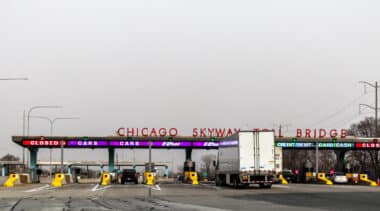
Asset recycling could produce significant private sector funding to modernize US infrastructure
There are several excellent examples of large-scale U.S. transportation facilities being recycled, with the up-front proceeds used for worthwhile public purposes.
-

Model legislation for audit requirements for opioid settlement fund recipients
Reason Foundation’s new model legislation extends the single audit framework to opioid settlement fund recipients at the state level.
-

Oregon advances per-mile road fees to replace gas taxes
States are taking steps to establish per-mile vehicle fees rather than per-gallon gas taxes to ensure that all drivers pay for their road use.
-
Open enrollment: ‘Wrecking ball of chaos’ or a ‘release valve of opportunity’ for New Hampshire?
New Hampshire House Bill 751 and Senate Bill 101 would expand the state’s voluntary cross-district open enrollment program statewide.
-
Open enrollment funding is straightforward for states and schools
In most states, state aid follows students seamlessly across school district boundaries, providing receiving districts with sufficient funding to cover marginal costs from transfer students.
-
Federal transit oversight should focus on operations and safety, not paperwork and compliance
Transit systems work best when state and local agencies handle governance and funding rather than relying on federal mandates and compliance systems.
-
States should prioritize private service providers for the opioid settlement funds
By outsourcing service delivery, these funds can stimulate the growth of for-profit and nonprofit organizations that can outlive the settlement.