-

The importance of North Carolina’s ports and how to improve them
This policy report examines the roles ports play in North Carolina’s economy, as well as how they are operated.
-

Vision Zero and Complete Streets: Do they make roads safer?
In the wake of rising traffic fatalities, municipalities have been looking for a comprehensive solution to reduce or eliminate traffic fatalities.
-

Navigating port funding: Alternatives for reforming the Harbor Maintenance Trust Fund
By addressing the existing inequities and compliance challenges, the U.S. can move toward a more equitable and effective funding mechanism for seaports.
-

How to modernize and properly fund the inland waterway system
There's an $800 million backlog of current inland waterway system projects and another $6 billion worth of projects planned, but not yet started.
-
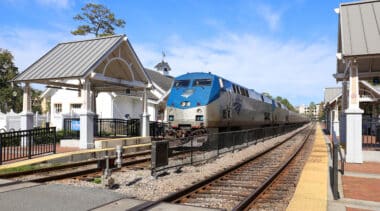
Evaluating Amtrak and intercity bus performance for smarter federal investment
Six of the eight Amtrak routes examined are losing more than $100 per passenger.
-

Optimal regulatory framework for state regulation of sports betting
To maximize the benefits of sports betting legalization and minimize negative externalities, state regulatory frameworks should encourage robust and competitive markets.
-

Debunking the myth that vaping causes popcorn lung
There is no evidence that e-cigarettes cause popcorn lung. In fact, all of the evidence points to the contrary.
-

Optimal framework for the state regulation of hemp cannabinoids
The hemp cannabinoid market has grown into a $3 billion interstate industry.
-

The implications of federal cannabis rescheduling
While the optimal solution would be to remove cannabis from the list of controlled substances entirely, moving it to Schedule III presents both immediate and long-term advantages over its current Schedule I designation.
-

Getting cannabis legalization right in Hawaii
Hawaii may be poised to become the 25th state to legalize the recreational use of cannabis for adults aged 21 and over.
-

A framework for federal and state hemp-derived cannabinoid regulation
The growing popularity of hemp-derived products has stimulated significant legislative attention in recent years, with over 90 regulatory proposals introduced in state legislatures in 2024 alone.
-

How state reforms changed federal enforcement of marijuana prohibition
While formal federal marijuana law has persisted unchanged amid state-level reforms, federal marijuana enforcement on the ground has changed dramatically.
-

How drug decriminalization affects policing
With the diminished capacity and incentive to pursue drug possession arrests, police can redirect resources toward crimes with victims, crime prevention, and public safety.
-
FAQ: Timeline for FDA ibogaine approval
It can take between 5 and 12 years to complete a drug trial, but the timeline to drug approval can vary significantly depending on the type of treatment.
-

A policy framework for personal psychedelics licenses
Psychedelic licenses for consumers have advantages over the current approach in two U.S. states that rely on professionals to dispense and facilitate services.
-

K-12 open enrollment in Wisconsin: Key lessons for other states
Wisconsin's public school open enrollment program serves over 70,000 students and can be a model for other states.
-

Ibogaine offers major promise in treating addiction, mental health
Ibogaine has the potential to transform the lives of millions of Americans struggling with addiction and mental health challenges.
-

Ibogaine could transform public spending on opioid treatment
Using ibogaine as a treatment for opioid use disorder could be significantly more cost-effective than traditional medication-assisted treatments.