Latest
-

-
How Colorado can improve its open enrollment policies for students, parents and school districts
Open enrollment lets students transfer to schools other than their residentially assigned one so long as seats are available.
-
Funding Education Opportunity: Open enrollment momentum, school choice legislation, and more
Plus: Florida adopts universal education savings accounts, parents file new lawsuit against Maine's town tuitioning program, and more.
-
Tennessee Gov. Lee signs significant transportation bill with choice lanes
No state has attacked traffic congestion in the systematic, statewide manner that Tennessee did with its Transportation Modernization Act.
-
Pension Reform News: Public pension bills in Texas, Alaska, Montana, and more
A move to undo pension reforms in Texas and Alaska, plus how pension costs crowd out other services.
-
Examining why Oklahoma voters rejected legalizing recreational marijuana
Oklahoma has the nation's largest medical cannabis market but rejected recreational adult use.
-
Florida’s Digital Bill of Rights is a regulatory trojan horse
Florida's heavy-handed government regulations would make the internet less friendly for consumers and do damage to Florida’s small businesses.
-
The latest on proposed psychedelics legalization in states
Pending legislation across roughly a dozen states signals that this shift toward the legalization of psychedelic therapies may continue.
-
Comments on Texas House Bill 3495 and Senate Bill 1246
TRS already holds $52 billion in pension debt so it is essential to examine the risks of the proposed investment class expansion.
-
Comments on Texas House Bill 3367 and Senate Bill 1245
The proposed bills would provide a modern, low-risk cash balance retirement plan for new judges while addressing the core issues causing today’s unfunded liabilities.
-
Social equity programs in marijuana legalization laws aren’t achieving goals of helping victims of the drug war
State efforts to promote social equity within legal cannabis markets have unintentionally created new versions of the war on drugs.
-
The SMART grant process isn’t transparent or serving federal taxpayers’ interests
Taxpayers should have a clear explanation of the national infrastructure interests advanced by federal SMART grants.
-
Surface Transportation News: Hydrogen fuel cells, automated trucking, and more
Plus: Transit contracting, commuting data, electric vehicles to power the grid, and more.
-
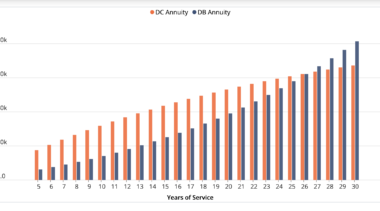
Comparing Alaska’s defined benefit and defined contribution retirement plans
Most of Alaska’s public employees would be better served in the existing defined contribution plan.
-
Maine’s proposal to limit cannabis licenses would undermine the legal market
Rather than passing LD 1391, Maine should encourage free and open competition to improve its legal marijuana market for customers and businesses.
-
Montana’s default retirement benefit option should best serve most public workers
Montana House Bill 226 would better align the default retirement benefit option with what would best most workers need.
-
California considers legislative changes to its legal cannabis market
California’s legal marijuana market is plagued by high taxes and burdensome regulations.
-
Examining the trucking industry’s opposition to tolling highways
Three of trucking’s four main concerns about tolling are valid—and fixable by legislation.