Latest
-

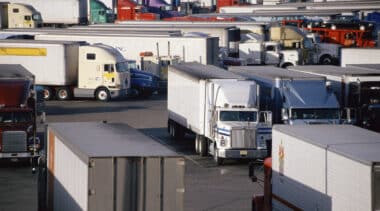
The urgent need for more truck parking spaces
The best congressional option would be a repeal of the ban on commercial services at Interstate rest areas.
-
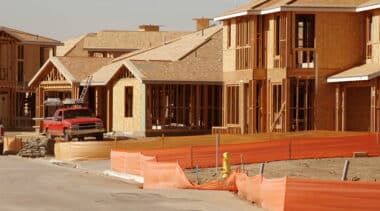
Land-use regulations continue to cause housing shortage
Local governments must act to reduce the restrictions, compliance costs, and uncertainty introduced by burdensome land-use regulations.
-
Scrutinizing NDPERS’ cost claims on House Bill 1040
NDPERS is choosing to adopt the costliest interpretation of HB 1040 and is cherry-picking the worst from a range of actuarial cost estimates to scare away proponents.
-
The 2022 fiscal year investment results for state pension plans
Overall, the median investment return result for state pension systems in 2022 is -5.2%.
-
Changes to Section 230 would have devastating consequences for the internet and free speech
The Supreme Court is considering Gonzales v. Google, a very important case regarding the future of the internet and digital platforms.
-
Surface Transportation News: Michigan tolling study, traffic congestion returns, and more
Plus: Unions oppose automated trucking legalization in California, mileage-based user fee updates, and more.
-
Stop disguising the real costs of building and maintaining highways and bridges
Today, rather than being paid for by their users, highways are increasingly subsidized by federal taxpayers—or their grandchildren.
-
Open enrollment could make Missouri a school choice leader
Proposed legislation in Missouri would would establish a an open enrollment program to allow students the opportunity to attend the public school of their choice.
-
How K-12 education is funded
Funding for K-12 public education is a shared responsibility between federal, state, and local governments.
-
National Microschooling Center founders illustrate how microschools are changing K-12 education
Microschools provide an innovative alternative for families looking to leave the traditional K-12 education system.
-
Local governments collected $9 billion in fines and fees in 2020
Local governments in three states—New York ($1.4 billion), California ($1.26 billion), and Texas ($1.17 billion)—collected well over a third of the nation's $9 billion in fines and fees in 2020.
-
Fines and fees: Consequences and opportunities for reform
The use of fines and fees to directly fund courts, law enforcement agencies, or other government activities can result in undesirable conflicts of interest.
-
Funding Education Opportunity: School choice in rural America, 2023 education legislation, and more
Plus: New research on how to fund public school transfer students, school closures and more.
-
Pennsylvania public schools need funding reform, not more money
Data show Pennsylvania schools are well funded. But how this funding gets to students is a problem.
-
U.S. Department of Transportation regulatory pipeline slowed in the second half of 2022
The latest transportation department update had the fewest number of new rulemaking projects since the beginning of the Biden administration.
-
How state education funding formulas work
Funding formulas collect and distribute education dollars to schools.
-
Tobacco harm reduction should be on Congress’ agenda
"We do know that e-cigarettes — as a general class — have markedly less risk than a combustible cigarette product," admitted FDA's tobacco chief, Brian King.
-
A better public sector retirement plan for the modern workforce
The new PRO Plan meets the needs of public workers, helps government employers recruit and retain workers, and stops public pension debt from growing.