-

The Foster Care System Needs Reform
More attention should be paid to shortening the time children spend in the foster system.
-
The United States Postal Service Should Not Offer Banking Services
It is hard to see how the U.S. Postal Service could effectively compete in this environment, let alone what value it might add.
-
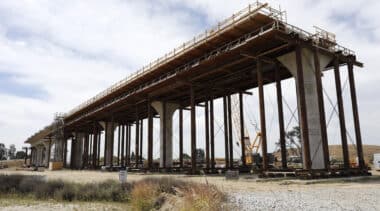
The California High-Speed Rail Project’s Negative Impacts on Minority Communities
As the Biden administration and urban planners revisit the influence transportation construction has had on minority neighborhoods, they should also take seriously the similar problems the California high-speed rail system is creating today.
-
Public-Private Partnerships Can Help Achieve Water Equity Goals
Contracting can bring considerable value to the building, operating, repairing, and replacing of water-related infrastructure.
-
Analysis of North Carolina’s Proposed Marijuana Legalization Legislation
Overall, House Bill 617's establishment of a legal cannabis market in North Carolina would be positive for the state's economy, criminal justice reforms, and cannabis consumers.
-
Mileage-Based User Fees Are a Sustainable Way to Fund Roads, Replace Gas Taxes
Transportation Secretary Pete Buttigieg was correct to suggest mileage-based user fees as a long-term strategy for preserving and strengthening the users-pay funding approach to roads.
-
Texas Considers Much Needed Reforms to Employees Retirement System
As Texas lawmakers consider the public pension reforms in Senate Bill 321, pension plan administrators warn that ERS is going to run out of money.
-
The Problematic Equity Case for Mass Transit
A large body of research suggests something quite different: access to private automobiles—not transit—is a powerful social equalizer.
-
COVID-19 Pandemic Highlights Why States Should Do Away With Certificate of Need Laws
Certificate of need laws are an anti-competitive barrier to entry and are associated with increased costs, lower quality care, and reduced access to care.
-
Examining Mileage-Based User Fees As a Replacement for Gas Taxes
Replacing fuel taxes with distance-based fees is being tested in the U.S. and overseas.
-
An Overview of Mileage-Based User Fees: A Potential Replacement for the Fuel Tax
Road usage charges should replace fuel taxes, not supplement them.
-
An Infrastructure Investment Strategy That Works for Democrats and Republicans
Congress could address two looming national problems: aging infrastructure and ailing public pension systems.
-
How Telehealth Services Can Help Address Mental Health Issues and Police Reform Efforts
Individuals with untreated mental illness are 16 times more likely to be killed during a police encounter than those without mental illness.
-
Evaluating South Carolina’s Proposed Defined Contribution Retirement Plan
Proposed retirement plan reflects many best practices and could meet the needs of retirees, the state and taxpayers.
-
How Local Government Names Make It Difficult to Monitor Their Spending and Other Data
Taxpayers, lawmakers and researchers need a broadly accepted, reliable, and comprehensive way to identify local governments and their data.
-
How to Increase Public Pension Fund Investment in U.S. Infrastructure
Public pension systems are increasingly seeking reliable long-term investments in revenue-generating infrastructure, such as airports, seaports, and tolled roads and bridges.
-
Should Public Pension Funds Be Investing In Cryptocurrency?
It’s not wise for public pension funds and taxpayers to be exposed to such financial risk.
-
10 Reasons Why the FDA Should Not Ban Menthol Cigarettes
"Such a ban will trigger criminal penalties, which will disproportionately impact people of color, as well as prioritize criminalization over public health and harm reduction."