-

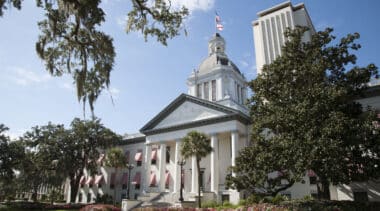
Florida criminal justice reform would reduce technical violations of probation
Senate Bill 1478 offers Gov. DeSantis a great opportunity to further improve Florida’s parole and community supervision programs.
-
Californians are paying high gas taxes for bad roads
California’s roads and bridges rank 47th out of 50 states overall in cost-effectiveness, safety, and condition.
-
New York pension systems sued for politicizing public pension investments
The New York City Employees' Retirement System, the Teachers' Retirement System, and the Board of Education Retirement System divested roughly $4 billion in fossil fuel investments.
-
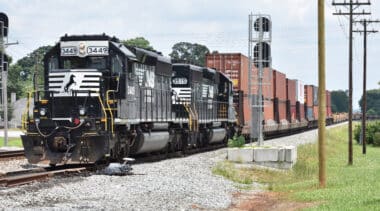
The Senate’s Railway Safety Act won’t improve rail safety
This is a sloppily written piece of legislation that is destined to fail to achieve its stated goal of improving safety.
-
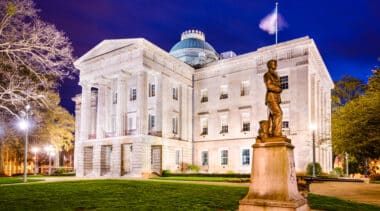
North Carolina needs to fix its education funding formula
North Carolina’s education funding formula is confusing for everyone and prioritizes funding for school districts that least need it.
-
Vanguard’s shift away from ESG fits with its focus on low fees
“Our research indicates that ESG investing does not have any advantage over broad-based investing.”
-
South Carolina reduces occupational licensing barriers for people with criminal records
Several studies have linked occupational licensing policies to increased criminal recidivism.
-
New York Gov. Hochul should learn from failed tobacco bans
The governor appears to be testing support for a complete ban on all tobacco products.
-

Webinar—Can investing public pension assets to further nonfinancial goals be consistent with fiduciary principles?
The exclusive purpose of investing pension assets must be to provide pension benefits.
-

The trucking industry is increasingly examining mileage-based user fee options
The trucking industry has begun to acknowledge the impending decline of fuel-tax revenues.
-

California legislature shouldn’t politicize or micromanage public pension investments
CalPERS and CalSTRS must be allowed to focus on their mission of fulfilling the retirement benefits promised to workers.
-

An international AI regulatory agency would threaten free speech, politicize AI
A highly invasive, active, and empowered government could monitor AI use and punish anyone not using it for approved purposes.
-
Social equity programs are failing to help victims of the drug war
In many cases, the parties benefiting from social equity programs are wealthy, connected political insiders and large commercial cannabis companies.
-
“The Liability Trap” authors’ critique of pension fiduciary model misses the mark
Requiring a fiduciary responsible for public dollars to adhere to objective criteria and remain oriented towards achieving the pecuniary goals of the pension trust is the most basic policy.
-
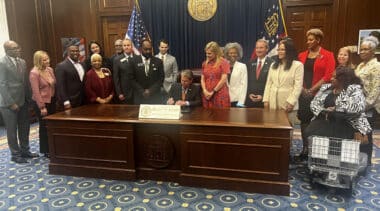
Georgia Gov. Kemp signs bill to help released prisoners obtain IDs, documentation
Georgia Gov. Brian Kemp just signed into law a bill that helps those freed from prison obtain identification cards and proof of programs and training they have completed while incarcerated.
-
Congress must hold CDC accountable for its vaping missteps
In 2019, bad information from the CDC about vaping deaths caused by illegal products reduced e-cigarette demand by about 30 percent and worsened public health.
-
North Dakota enacts landmark public pension reforms
The new pension reform will help solve NDPERS' unfunded liabilities and unsustainable financial trajectory like an oil spill—by both capping the spill and cleaning up what’s already spilled.
-
SECURE Act 2.0 requires private sector to use automatic enrollment for retirement plans
Over 80% of state and local government employees are in retirement plans, compared to 52% of private sector employees.