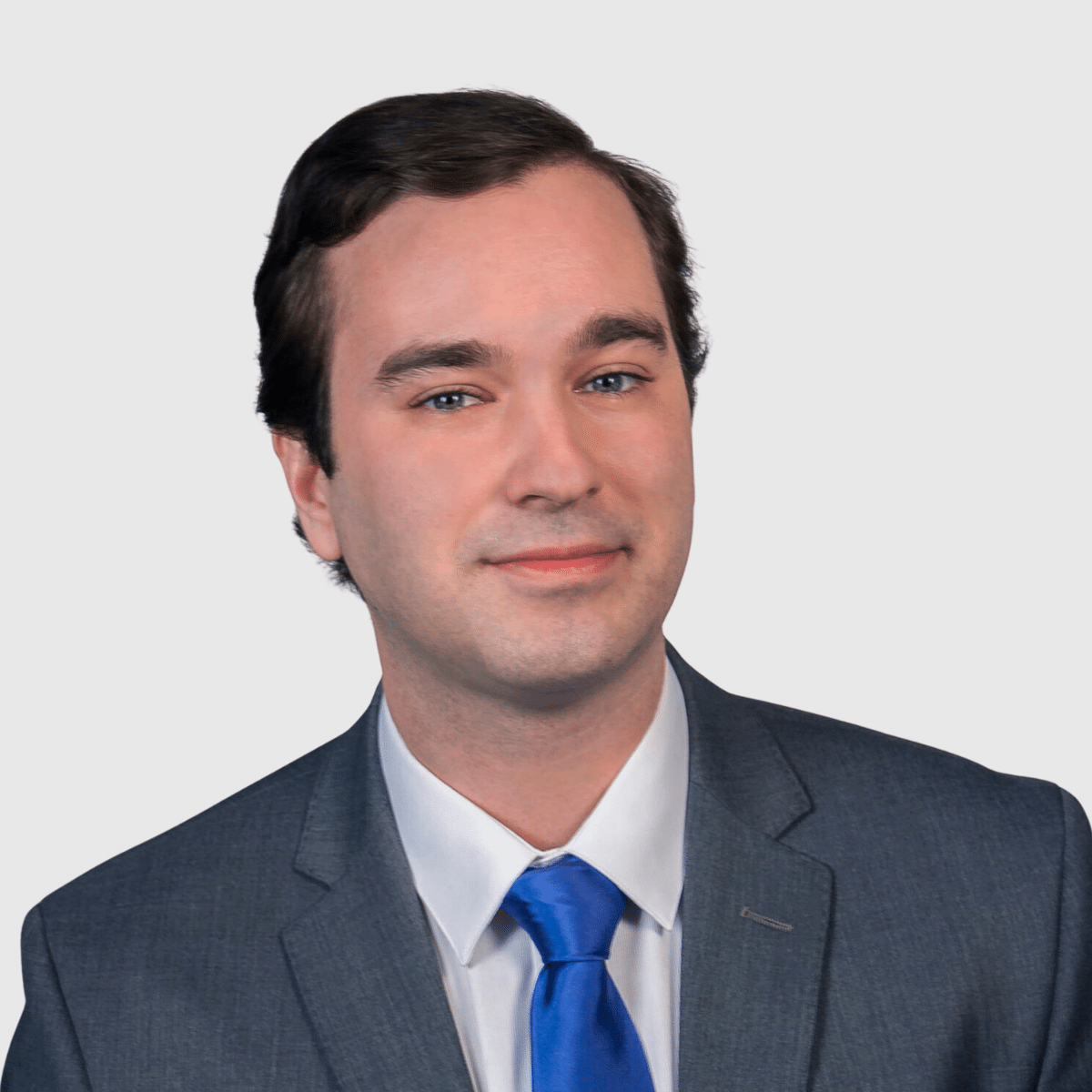
Marc Scribner
Senior Transportation Policy Analyst, Reason Foundation
Marc Scribner is a Senior Transportation Policy Analyst at Reason Foundation.
Scribner's work focuses on a variety of public policy issues related to transportation, land use, and urban growth, including infrastructure investment and operations, transportation safety and security, risk and regulation, privatization and public finance, urban redevelopment and property rights, and emerging transportation technologies such as automated road vehicles and unmanned aircraft systems. He frequently advises policymakers on these matters at the federal, state, and local levels.
Scribner has testified numerous times before Congress at the invitation of both Democrats and Republicans on issues including highway revenue collection, traffic congestion management, public transit productivity, freight rail regulation, airport financing, and air traffic control modernization. He is a member of the Transportation Research Board’s Standing Committee on Developments and Advancements in Transportation Technology Law.
He has appeared on television and radio programs in outlets such as Fox Business Network, National Public Radio, and the Canadian Broadcasting Corporation, and has also written for numerous publications, including USA Today, The Washington Post, Wired, CNN.com, MSNBC.com, Forbes, and National Review. And his work has been featured by The Wall Street Journal, New York Times, Washington Post, Los Angeles Times, Scientific American, Congressional Quarterly, Washington Monthly, POLITICO, CNN, Bloomberg, BBC, C-SPAN, and other print, television, and radio outlets.
Scribner joined Reason Foundation after more than a decade at the Competitive Enterprise Institute, where he was a senior fellow in transportation policy. He received his undergraduate degree in economics and philosophy from George Washington University.
-

Organized labor takes aim at California’s driverless truck rules
Today, most states already allow autonomous trucks to be tested and deployed on public roads, but California has by far the most onerous regulations.
-
Trump’s Department of Transportation unevenly advances deregulation as transparency declines
The 2026 Unified Agenda lists 315 active rulemaking projects at the U.S. Department of Transportation.
-

Canada offers important lessons for U.S. air traffic control
Congress would be wise to consider air traffic control governance reform rather than doubling down on the unsustainable status quo.
-
Changing America’s air traffic control model: Learning from Canada
The U.S. air traffic control system is embedded in a tax-funded bureaucracy that is unable to replace ancient facilities and obsolete technology.
-
The Transportation Security Administration needs to be reinvented
Congress limiting TSA’s role is the only way to insulate airport security from dysfunctional Washington politics.
-

Want a cheaper commute? Repeal this federal law that increases transit operating costs
Repealing the law would save taxpayers from shelling out more money for systems that desperately need reform, not subsidies.
-

Air taxis can get fans to the 2028 Los Angeles Olympics, if regulators don’t get in the way
Southern California policymakers should take care to avoid exposing taxpayers to the risk of vertiport investments.
-

Privacy protections are key to establishing public trust in mileage-based user fees
The architecture of a GPS-enabled mileage-based user fee system can be designed to protect privacy.
-

Bailing out Spirit Airlines would not help taxpayers, travelers or the airline industry
Bailing out Spirit, or any other failing airline, is a tremendously bad deal for taxpayers.
-

How to improve the federal mileage-based user fee grant program
Congress should build upon its past work of supporting propulsion-neutral alternatives to fuel taxes.
-
Serious safety concerns for travelers using Southern California’s airports
It should not take a deadly tragedy to spur the reforms needed in American air traffic control.
-
Congress introduces bipartisan push to fix FCC satellite delays and bolster commercial space
The Satellite and Telecommunications Streamlining Act would modernize the Federal Communications Commission’s satellite licensing procedures.
-

FAA emergency order grounds flights for tens of thousands of travelers
Required flight cuts begin at 4% on Nov. 7, increase to 6% on Nov. 11, then 8% on Nov. 13, and finally peak at 10% on Nov. 14 and beyond.
-
Democrats pivot on AI: Less regulation, more redistribution
The focus of Sen. Mark Kelly’s “AI for America” plan departs from other federal artificial intelligence policy proposals introduced by Democrats.
-
Reforming the TSA so airport security isn’t impacted by government shutdowns
Congress should remove TSA's conflict of interest as both the provider and regulator of airport security.
-
First look at the Trump administration’s transportation regulatory agenda
The Spring 2025 edition marks the first Unified Agenda publication of the second Trump administration.
-

A moratorium on state laws targeting AI would safeguard innovation and interstate commerce
A federal moratorium on bills singling out artificial intelligence would help ensure that the U.S. remains fertile ground for technological growth.
-
Midnight regulations pursued by the Biden administration’s Department of Transportation
The Fall 2024 Unified Agenda lists 222 active rulemaking projects at the U.S. Department of Transportation.