
Baruch Feigenbaum
Senior Managing Director, Transportation Policy, Reason Foundation
Baruch Feigenbaum is senior managing director of transportation policy at Reason Foundation.
Feigenbaum has a diverse background researching and implementing transportation issues including revenue and finance, public-private partnerships, highways, transit, high-speed rail, ports, intelligent transportation systems, land use, and local policymaking. Prior to joining Reason, Feigenbaum handled transportation issues on Capitol Hill for Rep. Lynn Westmoreland.
Feigenbaum is a member of the Transportation Research Board Bus Transit Systems and Intelligent Transportation Systems Committees. He is vice president of programming for the Transportation and Research Forum Washington Chapter, a reviewer for the Journal of the American Planning Association (JAPA), and a contributor to Planetizen. He has appeared on NBC Nightly News and CNBC. His work has been featured in the Washington Post, The Wall Street Journal and numerous other publications.
Feigenbaum earned his master's degree in Transportation Planning with a focus in engineering from the Georgia Institute of Technology.
-

California Would Benefit If Gov. Newsom Continues to Push for Highway Improvements
There’s no way to sugarcoat it: California’s infrastructure is in bad shape.
-
States Using Cost-Benefit Analysis Have More Efficient Transportation Systems
Unfortunately, a recent survey of state departments of transportation officials found that only five or six states systematically use cost-benefit analysis to evaluate transportation projects.
-

The Shifting Burden and Benefits of New York’s Congestion Pricing Revenue
Unfortunately, the main focus of TMRB seems to be to guarantee that congestion pricing revenue produces at least $1 billion a year.
-
Where Do Gas Taxes Go? States Divert Fuel Taxes to Schools, Police, and Fish Barrier Removal
Five states are diverting over one-third of their total fuel tax revenue to non-road uses and an additional five states diverting at least one-quarter of their gas tax money.
-
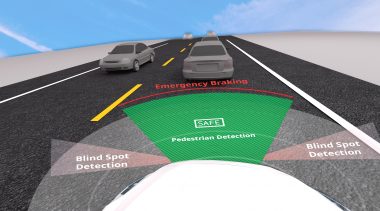
How Level 4 Automated Vehicles May Impact Other Travel Modes
Estimating how intercity car, bus and air travel might change when autonomous vehicles are a viable option.
-
Replacing Gas Taxes With Tolls Would Improve Fairness, Quality of Highways
An increasingly major problem with the fuel tax is states diverting gas tax money intended to maintain roads to non-roadway purposes.
-
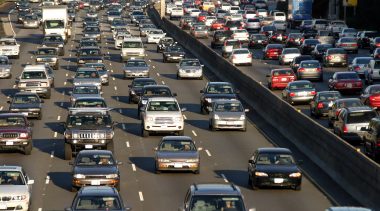
California Should Focus on Congestion and Pavement Condition to Improve State’s Highways
Given the amount of money California spends on its highways already, improving pavement conditions are a realistic and achievable goal.
-

California’s High-Speed Rail Project Should Be Put Back on the Ballot
Any revised rail plan should be carefully vetted and, ideally, put back in front of the electorate.
-
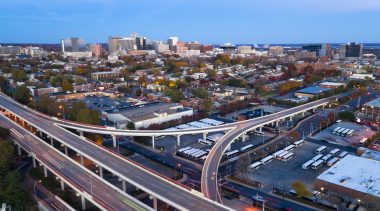
Mileage-Based User Fees Represent a Sustainable Way to Pay for Highways
Seeking a sustainable source of funding to build and maintain America’s highways.
-
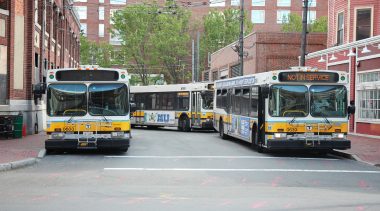
Managed Lanes and BRT Can Optimize Mass Transit Systems for Today’s Cities
Bus Rapid Transit's attractiveness as a policy solution derives from key features that make it more efficient than regular buses and rail.
-
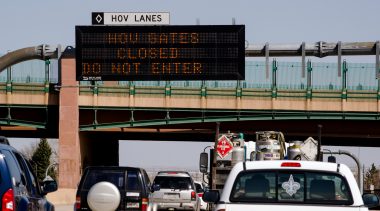
States Should Consider Converting Carpool Lanes Into Toll Lanes
Variable-priced tolling provides needed transportation revenue to build, maintain and operate the lanes.
-
California’s High-Speed Rail Plan Gets Better, But Is Still Flawed And Too Expensive
The state should not gamble any more money on this troubled initiative.
-
Study Claims, Without Showing Data, Michigan Spent $90 Million More By Using Road Work Contractors
The study's flawed methodology, lack of transparency and available data raise serious questions about its cost comparison claims.
-
The Orange County Transportation Authority’s Long-Range Plan Is Better Than Most
OCTA has done far better than many of its Southern California neighbors in developing a long-range plan that actually addresses many of its key infrastructure issues.
-

Gov. Newsom Scales Back California High-Speed Rail Project
The decision is a victory for fiscal responsibility and commonsense transportation policy.
-

Renewing the National Commitment to the Interstate Highway System: A Foundation for the Future
The report makes several good recommendations but falls short of truly providing a realistic, financially sustainable path forward for Interstates.
-

The Flaws In a Study Linking Ridesharing and Traffic Fatalities
The report should address questions about vehicle-miles traveled as well as urban and rural fatality rates.
-
Cars, Mass Transit and the Efforts to Reduce Emissions
Investments in mass transit ought to be more selective and focused on expanding and maintaining ridership in areas with high rates of transit ridership by operating more heavily during times of greater demand.