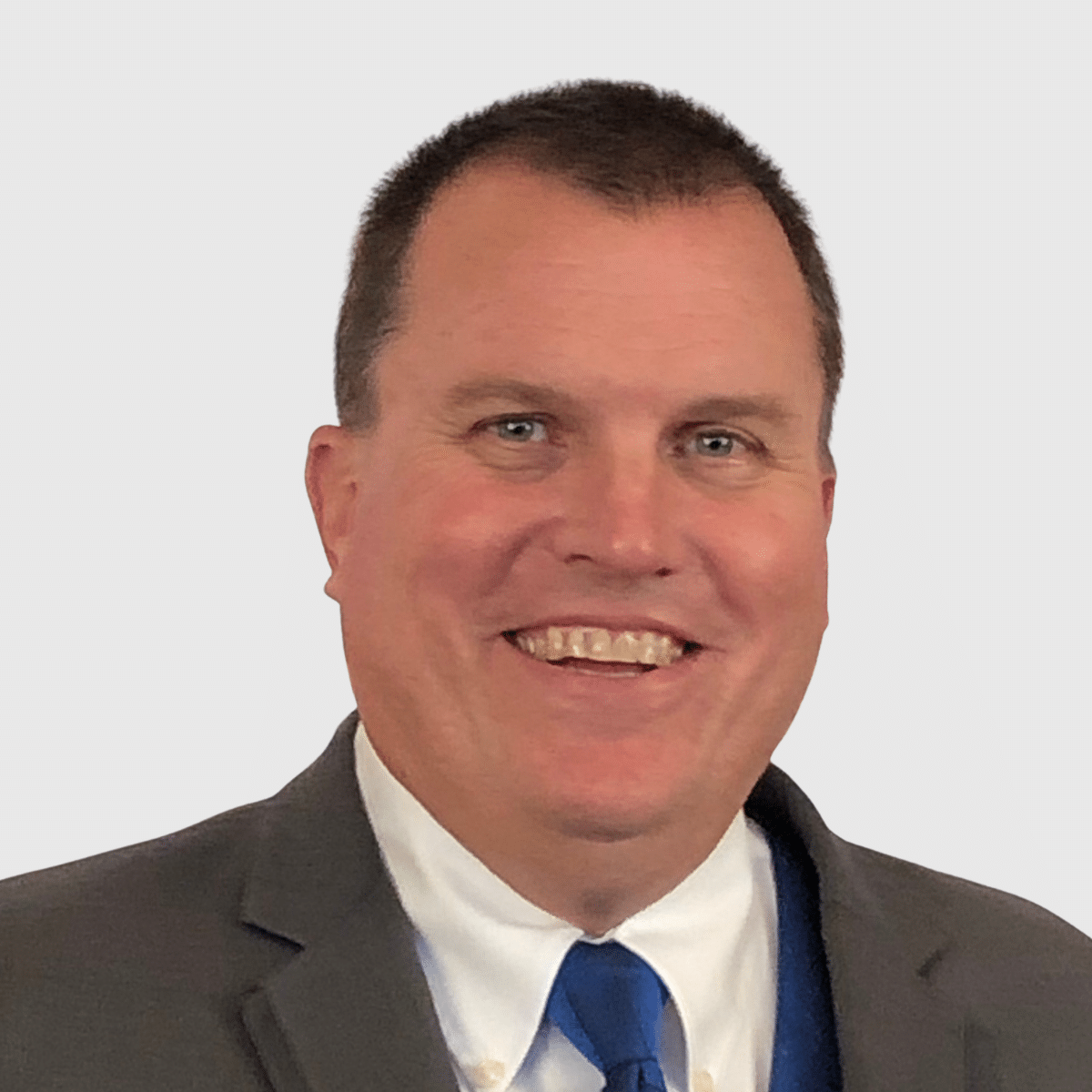
Adrian Moore
Chief Economist, Reason Foundation
Adrian Moore, Ph.D., is the Chief Economist at Reason Foundation.
Moore leads Reason's policy implementation efforts and conducts his own research on topics such as privatization, government and regulatory reform, air quality, transportation and urban growth, prisons and utilities.
Moore, who has testified before Congress on several occasions, regularly advises federal, state and local officials on ways to streamline government and reduce costs.
In 2008 and 2009, Moore served on Congress' National Surface Transportation Infrastructure Financing Commission. The commission offered "specific recommendations for increasing investment in transportation infrastructure while at the same time moving the Federal Government away from reliance on motor fuel taxes toward more direct fees charged to transportation infrastructure users." Since 2009 he has served on California's Public Infrastructure Advisory Commission.
Mr. Moore is co-author of the book Mobility First: A New Vision for Transportation in a Globally Competitive 21st Century (Rowman & Littlefield, 2008). Texas Gov. Rick Perry said, "Speaking from our experiences in Texas, Sam Staley and Adrian Moore get it right in Mobility First." World Bank urban planner Alain Bartaud called it "a must read for urban managers of large cities in the United States and around the world."
Moore is also co-author of Curb Rights: A Foundation for Free Enterprise in Urban Transit, published in 1997 by the Brookings Institution Press, as well as dozens of policy studies. His work has been published in the Wall Street Journal, Los Angeles Times, Boston Globe, Houston Chronicle, Atlanta Journal-Constitution, Orange County Register, as well as in, Public Policy and Management, Transportation Research Part A, Urban Affairs Review, Economic Affairs, and numerous other publications.
In 2002, Moore was awarded a World Outsourcing Achievement Award by PricewaterhouseCoopers and Michael F. Corbett & Associates Ltd. for his work showing governments how to use public-private partnerships and the private sector to save taxpayer money and improve the efficiency of their agencies.
Prior to joining Reason, Moore served 10 years in the Army on active duty and reserves. As an noncommissioned officer he was accepted to Officers Candidate School and commissioned as an Infantry officer. He served in posts in the United States and Germany and left the military as a Captain after commanding a Heavy Material Supply company.
Mr. Moore earned a Ph.D. in Economics from the University of California, Irvine. He holds a Master's in Economics from the University of California, Irvine and a Master's in History from California State University, Chico.
-

Florida’s successful telehealth policies should be applied to address dental care shortages
More than seven million Floridians live in areas with shortages of dental health professionals.
-

Federal independent contractor regulation threatens the gig economy
If gig workers lose the independence and flexibility that makes such work attractive to them, this vibrant and growing sector of the economy may shrink or even die out.
-

California’s online age-verification law is unconstitutional
The California Age-Appropriate Design Code Act undermines free speech protected by the First Amendment and the right to access online content.
-

Florida counties need to take a new approach to transit services
Five actions that Sarasota and Manatee counties can take to improve transit.
-
Reason Webinar: Robert Atkinson and Thomas Hazlett on big tech’s power, social media regulation, FTC antitrust lawsuits, and more
We discuss whether tech companies have become too big and powerful and what tech-related policies and regulations most need to be changed.
-

Florida strengthens retirement plan but also increases taxpayers’ burden and rolls back pension reforms
Gov. Ron DeSantis recently signed Senate Bill 7024, which makes several changes to the Florida Retirement System, the state’s retirement plan for government workers.
-

Florida criminal justice reform would reduce technical violations of probation
Senate Bill 1478 offers Gov. DeSantis a great opportunity to further improve Florida’s parole and community supervision programs.
-

Florida’s education savings accounts won’t defund public schools
Florida is now giving all families the choice to withdraw from public schools and opt for an ESA of about $8,700 per child.
-
Florida politicians want fentanyl designated a weapon of mass destruction
Then fentanyl crisis will not be resolved by doubling down on prohibition policies that have failed for decades and are actually fueling overdose deaths.
-
Reason Foundation’s amicus brief in Gonzalez v. Google answers many of the questions raised by Supreme Court justices
Congress originally made clear that Section 230 is part of a law intended not to limit free speech but to allow the internet to grow “with a minimum of government regulation.”
-

Changes to Section 230 would have devastating consequences for the internet and free speech
The Supreme Court is considering Gonzales v. Google, a very important case regarding the future of the internet and digital platforms.
-

Florida must stop relying on taxation by citation
No program or agency should be specifically funded by fines and fees revenue.
-

Nikki Fried is right to sue for medical marijuana patients’ gun rights
Regulations against gun ownership for medical marijuana patients violate those patients’ Second Amendment rights.
-

Social media companies are free to make bad decisions
Social media companies are free to set their terms of service and moderate content as they choose. But this doesn’t mean their policies are smart.
-

K-12 open enrollment is breaking down barriers in Florida
Open enrollment ends the monopolies school districts maintain through residential assignment.
-
The growing need to structurally address the national debt
As the national debt nears $29 trillion, the conversation about this problem needs to change.
-

How California’s recall election might change the state’s course on infrastructure
The increasingly sorry state of some of California's infrastructure is a key issue for many Californians.
-

As Commercial Space Travel Becomes Reality, Debris and Space Traffic Management Becomes More Important
If the government works with private industry through strategic public-private partnerships, the U.S. can best address the threats posed by orbital debris and create sustainable policies for safe space exploration.