-

Minnesota Senate File 4010 strikes an appropriate regulatory balance on autonomous vehicles
Senate File 4010 takes an appropriate regulatory approach that would enable access to this safety-enhancing technology in Minnesota.
-
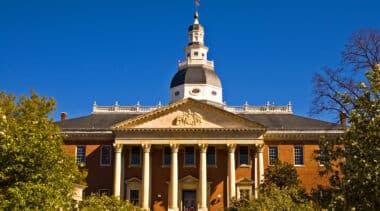
Maryland can improve upon its proposal for a mileage-based user fee program
Maryland has a major transportation funding shortfall, and mileage-based user fees are one potential solution.
-
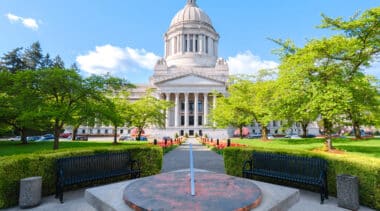
Senate Bill 6129 would undermine tobacco harm reduction in Washington
Senate Bill 6129 would effectively undermine the financial incentives that could encourage Washington's smokers to switch to safer nicotine alternatives.
-
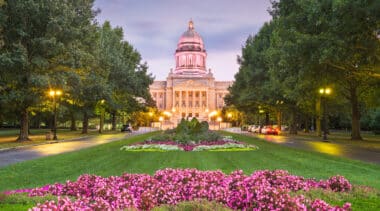
Kentucky House Bill 774 would provide reliable information about fines and fees
Transparency is a precondition for sound criminal justice policy, and House Bill 774 represents a meaningful step toward that goal.
-
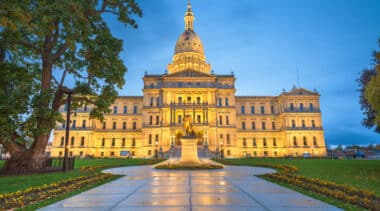
Michigan’s “Kids Over Clicks” bills would replace parental oversight with government rules
The “Kids Over Clicks” package would create a vast web of regulatory controls that would degrade the overall user experience online.
-
Maryland House Bill 1295 establishes a balanced policy for automated driving systems
Maryland House Bill 1295 takes an appropriate approach to enabling access to this safety-enhancing technology.
-
Minnesota House File 3513 strikes an appropriate balance on autonomous vehicle regulation
House File 3513 would enable better access to this safety-enhancing technology in Minnesota.
-
Senate Bill 909 would improve the safe deployment of autonomous vehicles in Maryland
The legislation would create statewide rules for fully autonomous vehicles while aligning Maryland’s policy with established national safety standards.
-
Improving educational opportunity through Maryland Senate Bill 350
This bill would empower families to match their children with schools that best fit their needs, expanding educational opportunities for Maryland's students.
-
Virginia’s proposed cannabis labor peace mandate violates federal law
House Bill 642 would unconstitutionally usurp the exclusive jurisdiction of the National Labor Relations Board to govern private-sector labor relations.
-
Washington’s companion chatbot bill leaves important details open-ended
Reasonably attainable burdens of proof require clearly defined, testable, and objective requirements based on concrete product features.
-
New York’s proposed nicotine pouch tax would undermine public health
New York’s policies should encourage safer alternatives to cigarettes, not penalize them.
-
Wisconsin should recognize safer nicotine alternatives when crafting state policy
Safer nicotine alternatives to cigarettes represent one of the most significant opportunities to reduce smoking-related death and disease.
-
Utah House Bill 528 would significantly improve open enrollment transparency
Unlike other states with strong open enrollment laws, Utah currently does not collect open enrollment data or publish it at the state level.
-
Comments to the Department of Health and Human Services on accelerating the adoption and use of artificial intelligence as part of clinical care
Regulatory uncertainty creates a significant barrier to innovation and adoption of artificial intelligence in clinical care.
-
Wisconsin Assembly Bill 962 offers constitutionally troubling approach to online youth safety
Wisconsin should pursue solutions that empower parents to protect kids online without undermining personal privacy or security.
-

Pennsylvania House Bill 78 would protect consumer information and privacy, but needs reform
House Bill 78 should be amended to raise the applicability thresholds so they match the upper threshold common in other states.
-
Maryland’s proposed deepfake criminalization threatens the First Amendment
House Bill 145 seeks to criminalize AI content based on subjectively defined terms such as election-related “deepfakes."