Policy Briefs
View all policy studies.-
How Dangerous Is Marijuana?
A health risk comparison of alcohol, tobacco and marijuana.
-
Pension Solvency Overview: Teacher Retirement System (TRS) Of Texas
The Teacher Retirement System of Texas reported an unfunded pension liability of $35.4 billion in 2017.
-

Occupational and Business Licensing of Recreational Marijuana
In order to allow new marijuana markets to flourish, occupational licensing must be constrained to the bare essentials.
-

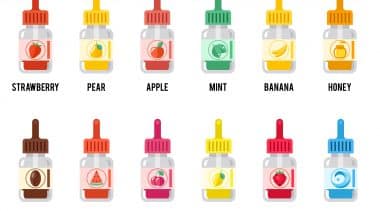
A Question of Taste: The Public Health Case for E-Cigarette Flavors
Any policy that harms the exclusive makers of reduced-risk products such as e-cigarettes more than the makers of traditional cigarettes is not in the interests of public health.
-
Why Local Education Funding Favors Politics Over Parents—And How To Fix It
Why policymakers should eliminate local operating revenues and move to a full-state funding model.
-
Does Legalizing Marijuana Reduce Crime?
In states that have legalized marijuana for either medical or recreational use, any adverse effects of such increased demand are more than offset by reductions in crime associated with legalization.
-
What Is Kratom and What Should We Do About It?
Kratom has life-saving potential as an opioid substitute, demonstrates promise as a therapy for opioid withdrawal, and has been shown to be remarkably safe even among heavy users.
-
Criminal Conviction Restrictions for Marijuana Licensing
Reducing conviction restrictions has the potential to help many people who have been impacted by the drug war.
-
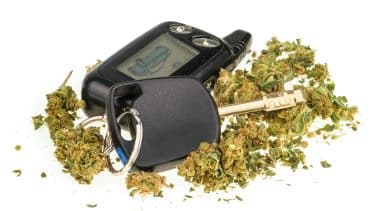
Does Marijuana Legalization Increase Traffic Accidents?
Studies looking at the prevalence of drivers impaired by THC are prone to overestimate crash risk because of other risk factors.
-
Beyond Test Scores: A Central Role For Financial Health In Evaluating Arizona’s Charter Schools
With the recent passage of HB 2663, now is a critical time for Arizona to assess how it evaluates charter schools.
-
How Burdensome Regulation Obstructs Hunger Relief
This brief offers recommendations to help solve hunger by reforming current regulatory regimes that block the diffusion of beneficial technologies.
-
Will Marijuana Legalization Increase Hospitalizations And Emergency Room Visits?
Since marijuana legalization will likely increase the availability and convenience of consuming marijuana, there is concern that it will also increase health emergencies.
-
Marijuana Forgiveness Remedies
Policymakers rethinking pot prohibition should be able to build a better road map for implementing forgiveness remedies for past marijuana crimes.
-
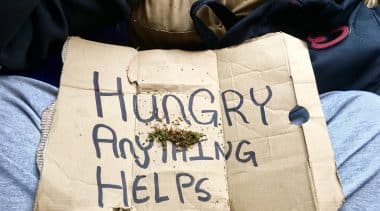
Does Recreational Marijuana Legalization Contribute To Homelessness?
Some people have claimed that the recent increase in homelessness in Colorado and Washington is a consequence of a “green rush” to these states following legalization.
-
Cannabis Legalization and Juvenile Access
Decriminalizing marijuana and legalizing medical cannabis did not increase juvenile use.
-
The Gateway Effect of Marijuana
Given the weak evidence for a causal relationship between youth marijuana use and subsequent use of other drugs, policymakers should not be overly concerned about the brain chemistry gateway effect.
-
Do Capitalization Requirements Make Sense For The Cannabis Industry?
Small business owners without lots of capital deserve the opportunity to enter the industry without burdensome requirements that do not fulfill their intended purpose.
-
Addressing the Problem of Marijuana-Impaired Driving
Drug recognition expert officers are in the best position to decide whether or not the driver is actively impaired by THC.