Latest
-

Pension Reform News: How state public pension systems rank on key health metrics
Plus: Crucial pension reforms under fire in California, Oklahoma bill advances retirement goals of government employees, and more.
-
West Virginia House Bill 4819 reduces licensing barriers for people with criminal records
The bill would strengthen licensing reforms and give people with criminal records clearer access to stable employment.
-

Funding Education Opportunity: The best open enrollment proposals moving through state legislatures
Plus: Three states announced they will reconsider their initial opposition to the federal tax-credit scholarship program.
-
Kentucky House Bill 185 expands job opportunities and reduces licensing barriers for people with criminal records
The bill would let people find out in advance whether their criminal record disqualifies them from a license while strengthening transparency.
-
Tennessee’s Senate Bill 2099 would reduce costly failures to appear and improve efficiency
States and localities should implement evidence-based court reminder systems as a cost-effective way to reduce unnecessary license suspensions, warrants, and jail admissions while improving court efficiency.
-
Connecticut legislation would levy per-ounce tax on sweetened beverages
The available evidence does not support the conclusion that taxing sweetened beverages reduces obesity.
-
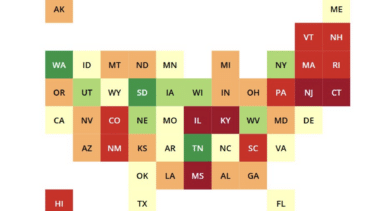
How every state’s public pension system ranks
Tennessee, Virginia, and Washington lead the nation with fully funded systems, while Illinois, Kentucky, and New Jersey remain at the bottom with the deepest shortfalls.
-
Second-look laws allow courts to reconsider long prison sentences
Second-look laws offer a needed way to bring our justice system into alignment with both values and practical constraints.
-
South Carolina Senate Bill 519 would establish a lower excise tax rate for heated tobacco products
When safer nicotine alternatives are taxed at similar rates to combustible cigarettes, smokers are less likely to switch to them.
-
Alabama’s unrealistic pension assumptions are putting the state in debt
Policymakers need to enact lasting reforms that address the sources of the state’s growing pension shortfall.
-
California doesn’t need new age restrictions on social media
Instead of passing heavy-handed legislation, California should empower parents to use available tools to keep their kids safe online.
-
Why restricting institutional investors won’t fix housing affordability
The primary cause of housing affordability problems is local government restrictions on housing supply.
-
The App Store Accountability Act sacrifices privacy and free speech to give parents a false sense of safety
The act would create a false sense of safety and ease while generating real privacy, security, and First Amendment concerns for all Americans.
-
Oklahoma House Bill 3313 advances retirement goals of government employees
The bill would significantly improve the retirement security of Oklahoma’s public workers and bring the plan up to minimum industry standards.
-
Surface Transportation News: Can central planning revitalize U.S. shipbuilding?
Plus: NTSB identifies the most vulnerable large bridges, populist attack on potential California road charges, and more.
-
Maryland can improve upon its proposal for a mileage-based user fee program
Maryland has a major transportation funding shortfall, and mileage-based user fees are one potential solution.
-
Washington House Bill 2034 redirects pension funds for non-pension spending
Redirecting billions in surplus police pension assets to non-pension projects goes against the purpose of these funds.
-
Psychedelics Policy Newsletter: States pursue psilocybin expansion, Trump administration denies drug fast-tracking, and more
Plus: The Drug Enforcement Administration increases psychedelics legal production quota.