Latest
-

Driver’s License Suspensions and Fees Unfairly Impact the Poor And Are in Need of Reform
All 50 states suspend driver's licenses for offenses that have nothing to do with driving and the costs of having your license reinstated can be extreme.
-
Why the School Choice Victory at the Supreme Court Is So Important
The decision has the potential to neutralize “Blaine Amendments” found in more than 30 state constitutions that restrict the participation in publicly funded education choice programs.
-
The Critical Role of On-Road Testing for Automated Vehicle Development
Automated vehicle experts explain the importance of public road testing.
-
The Supreme Court’s Espinoza v. Montana Decision Is A Huge Win For School Choice
The decision paves the way for granting students the freedom to attend religious schools using a state’s tax-credit scholarship funding.
-
Unnecessary Licensing Laws Are Contributing to the Criminal Justice Crisis
Several studies have linked occupational licensing laws to higher rates of recidivism.
-
Banning Menthols Risks Unjust and Uneven Enforcement
The proposed ban on menthols is laser targeted at black Californians and state leaders know that.
-
Pension Reform Newsletter: Market Volatility Impacts Teachers’ Pensions, Cost-of-Living Adjustments During COVID-19, and More
Plus: Pension shortfalls increase challenges for Mississippi, bracing for bad pension news in Florida, and more.
-
How Much Gas Tax Money States Divert Away From Roads
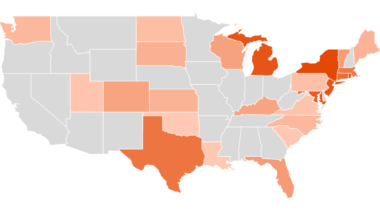
Examining the percentage of state gas tax revenue that is allocated for expenses unrelated to roads, including money shifted to law enforcement, education, tourism, environmental programs and more.
-
The Strengths and Flaws in Minnesota’s Marijuana Legalization Bill
The bill, H.F. 4632, would legalize recreational marijuana use by adults and set rules for a legal cannabis industry in the state.
-
Education Newsletter: COVID-19 Increases Need for School Finance Reform, Identifying Student Poverty, and More
Plus: How education dollars are allocated, Vermont’s school funding model promotes equity, National School Lunch Program eligibility, and more.
-
New Mexico and Other States Should Revisit Marijuana Legalization Efforts
Although most early marijuana legalization efforts were driven by ballot measures, legislative bodies have increasingly been willing to consider legalization on their own.
-
Economic Pain of COVID-19 Increases Need for School Finance Reform
Lawmakers need to embrace school finance reforms that boost equity and flexibility to ensure the looming economic pain is not being shouldered disproportionately by low-income students and communities.
-
Analysis of New Mexico’s Cannabis Regulation Act
"Legalized recreational cannabis in New Mexico is inevitable," Gov. Michelle Lujan Grisham said.
-
The Time to Address Public Pension Plan Design Is Now
State and local retirement plans should be modernized to recognize the reality of employee mobility and limit the creation of unfunded liabilities.
-

Vermont’s School Funding Model Promotes Equity Across School Districts
Vermont abolished the education portion of local property taxes entirely, opting for a statewide property tax to fund schools more evenly.
-
Testimony: Tolling Could Improve Michigan Infrastructure
Michigan’s Interstates and freeways are generally in very poor condition.
-

Best Practices For Identifying Student Poverty
Some states and schools are seeking better measures to identify and help economically disadvantaged students.
-
Aviation Policy News: Feeling Comfortable Flying During Coronavirus and the Math on an FAA Bailout
Plus: Technology to clean airline cabins during the coronavirus pandemic, battle of European airport slots, reducing emissions, and more.