-

The Senate’s infrastructure bill largely ignores automated vehicles
Congress should act quickly to pass narrowly tailored automated vehicles legislation to ensure U.S.-based AV developers are not at a disadvantage in the increasingly competitive global AV marketplace.
-
Horizon survey predicts bleak future for public pension investment returns
Major survey by Horizon Actuarial Services says the short- and long-term investment outlook for public pension plans is getting worse.
-
What U.S. pension plans can learn from Canadian pension funds
Canada's federal and provincial public pension plans tend to be much better funded than U.S. state and local pensions.
-
Colorado’s pension debt may be worse than policymakers think
A change to PERA's mortality assumptions, which more accurately project the length of time current members will be drawing benefits from the plan, added $3.1 billion in liabilities.
-
How California’s recall election might change the state’s course on infrastructure
The increasingly sorry state of some of California's infrastructure is a key issue for many Californians.
-
Colorado’s Missed Pension Payment Could Cost Taxpayers Millions
One simple solution—especially with the state sitting on a massive surplus—would be a prompt make-up payment.
-
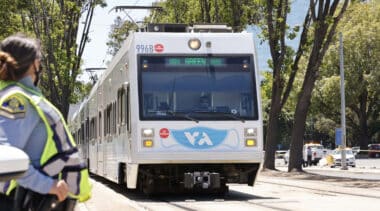
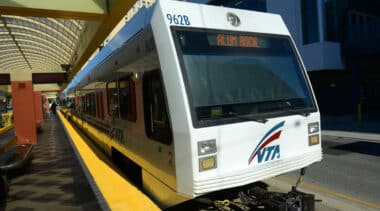
Rethinking the Santa Clara Valley Transit Authority’s Light Rail Service
More than two months after the tragedy, the Santa Clara Valley Transit Authority has not restored light rail service.
-
Congress Needs to Stop Blocking Legal Marijuana Sales in Washington, D.C.
The answer isn't more police enforcement, the answer is to enable legal marijuana markets in the city.
-
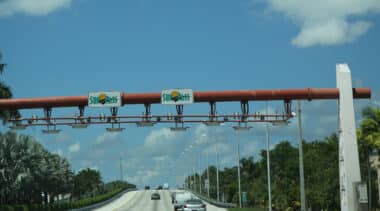
Giving Unbanked Drivers a Fair, Convenient Way to Pay Tolls at the Lowest Rates
These new programs are win-win solutions for unbanked and underbanked customers, as well as the toll road operators.
-
Even as More States Legalize Marijuana, It’s Vital for the Federal Government to Deschedule It
Federal law still prohibits marijuana, treating it as an illicit “Schedule 1” substance like heroin and more stringently than cocaine or methamphetamines.
-
Structural Problems Cause Public Pension Systems to Look to Alternative Investments
Pension systems should ensure employee and employer contributions are at the proper levels and their investment return rate assumptions reflect the realistic long-term market and economic conditions.
-
Washington State Grapples With Public Pension Cost-of-Living Adjustments
The most unfair solution to this public pension issue is to continue to allocate hundreds of millions of taxpayer dollars to annually fund increased benefits.
-
How to address Montana’s underfunded public pension plans
This analysis explores previous attempts to fund Montana's public pension plans and suggests new policies to consider.
-
As Commercial Space Travel Becomes Reality, Debris and Space Traffic Management Becomes More Important
If the government works with private industry through strategic public-private partnerships, the U.S. can best address the threats posed by orbital debris and create sustainable policies for safe space exploration.
-
Texas Supreme Court Says Company Can Use Eminent Domain For Houston-Dallas High-Speed Train
While Texas Central is promising to benefit travelers going back and forth between Houston and Dallas, it would do so by interrupting the lives and livelihoods of many Texans living and farming along the route.
-
The Limited Role Transit Can Play In the Bay Area’s Climate Change Strategies
Rather than build expensive new transit infrastructure, the Bay Area should find more cost-effective solutions.
-
The $3.5 Trillion Reconciliation Package’s Supposed ‘Pay-Fors’ and Its Impact on Inflation
At a time of rising inflation and massive federal red ink, this deficit spending poses many financial risks the country cannot afford.
-
Local Governments Should Use Budget Surpluses to Pay Down Debt
If California's cities and public agencies are experiencing a large surplus, they should look to pay off debt, including other post-employment benefits liabilities.