-

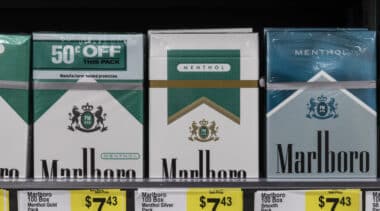
Rather than banning menthols, FDA should embrace harm reduction
The FDA and the Biden administration should apply the harm reduction model to tobacco policy.
-
Russia’s invasion of Ukraine isn’t a good reason for the U.S. to further increase defense spending
The massive defense budget is one prime place to start cutting federal spending and acting responsibly.
-
It is time to rethink the relationship between housing and K-12 education
Kansas, Missouri and South Carolina are considering open enrollment policies that would allow families more education options.
-
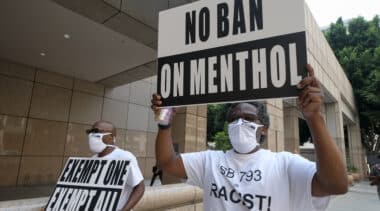
A ban on menthol cigarettes would hurt communities of color and undermine criminal justice reforms
The proposed criminalization of menthol cigarettes should be expected to hurt communities of color, spur the growth of black markets, lead to more incarceration, and undermine criminal justice reforms made in recent years.
-
Arizona’s school funding system is outdated and broken
Arizona's proposed school finance reform would address some of the stark school funding disparities across the state's school districts.
-
Local governments in California lost $20 million running public golf courses in 2020
The largest operating loss, over $4 million, was recorded by the Indian Wells Golf Resort, owned by the city of Indian Wells.
-
Public school vouchers could increase education competition
Eliminating residential assignments and putting parents in charge of funding would give all families more agency over their students' education.
-
As more states legalize marijuana, the Department of Transportation looks to change drug testing policies
Drug tests for marijuana use continue to reflect a bygone zero-tolerance approach and fail to reliably detect on-duty use and intoxication.
-
Open enrollment would help South Carolina’s students
Adopting strong open enrollment policies would be a boon to South Carolina families whose education options would no longer depend on where they can afford to live.
-

155 local governments across the U.S. lost a total of $61 million operating public golf courses in 2020
In a review of 221 public golf courses, 155 lost money, including five that lost more than $2 million in 2020.
-

As student enrollment declines, California’s school districts should right-size their spending
Instead of waiting for the next economic downturn to force them to make spending cuts, school districts should use this moment to right-size benefits and reduce non-instructional expenses.
-

California complicates state’s struggling legal marijuana system with more rules
The changes would make it even more costly and burdensome for cannabis industry businesses to operate in California’s legal marijuana market.
-
Social media companies are free to make bad decisions
Social media companies are free to set their terms of service and moderate content as they choose. But this doesn’t mean their policies are smart.
-
Inflation could significantly raise costs for some public pension systems
Most public retirement systems have established policies to limit annual cost spikes from cost-of-living adjustments during inflationary periods.
-
Growing agreement that government regulations are driving up the costs of vital infrastructure
We may have an unprecedented opportunity to reform the National Environmental Policy Act.
-
The Great Resignation highlights the need for public pension plans to adapt to today’s mobile workforce
Governments should consider modernizing their retirement plans and options for workers who don’t intend to stay in one position or with one employer for multiple decades.
-
Biden doubles down on Title I funding increase in 2023 budget proposal despite program’s poor record
The administration wants to double the funding for a federal program that has failed in its aim to close achievement gaps between low-income and higher-income students.
-
Colorado’s proposed flavored tobacco ban would worsen public health and criminal justice inequities
A ban on flavored tobacco products would likely lead to the growth of illicit tobacco markets and more policing in minority communities.