• Air Traffic Control
  • Annual Highway Report
  • Open Enrollment
  • Events
  • Reason facebook
  • Reason twitter
  • Reason youtube
Reason Foundation
  • About
    • About Us
    • Contact Us
    • Email Newsletters
    • Events
    • FAQs
    • Jobs & Internships
    • Savas Award
    • Shop
    • Staff
    • Trustees & Officers
  • Experts

      Browse Our Experts

      • Aaron Smith
        Director of Education Reform
      • Adrian Moore
        Vice President, Policy
      • Baruch Feigenbaum
        Senior Managing Director, Transportation Policy
      • Geoff Lawrence
        Research Director
      • Guy Bentley
        Director of Consumer Freedom
      • Leonard Gilroy
        Vice President, Government Reform
      • Robert Poole
        Director of Transportation Policy
      • Vittorio Nastasi
        Director of Criminal Justice Policy
      • View All Experts
  • Topics

      Browse Our Topics

      • Air Traffic Control
      • Annual Highway Report
      • Consumer Freedom
      • Criminal Justice Reform
      • Drug Policy
      • Education
      • Gov’t Financial Transparency
      • Pension Reform
      • Technology
      • Transportation
      • Urban Growth and Land Use
      • View All Topics
  • Publications
    • Latest
    • Annual Highway Report
    • Annual Pension Report
    • Annual Privatization Report
    • Aviation Newsletter
    • Backgrounders
    • Commentaries
    • Data Visualization
    • Education Newsletter
    • Email Newsletters
    • Government Financial Project
    • Pension Reform Newsletter
    • Policy Studies
    • Psychedelics Newsletter
    • Public Schools Without Boundaries
    • Testimony
    • Transportation Newsletter
    • Amicus Briefs
  • Reason.com
  • Donate
    • Donate Online
    • Donate Crypto
    • Ways To Give
    • Torchbearer Society
    • Planned Giving

Commentaries


  • Why the New House Transportation Bill Wouldn’t Achieve Its Environmental Goals
    Why the New House Transportation Bill Wouldn’t Achieve Its Environmental Goals

    If Congress really wanted to make transportation greener, it would provide more incentives for electric vehicles and encourage intercity buses to take Amtrak’s place.

    By Robert Poole
    June 15, 2020

  • Inflation-Adjusted K-12 Education Spending Per Student Has Increased By 280 Percent Since 1960
    Inflation-Adjusted K-12 Education Spending Per Student Has Increased By 280 Percent Since 1960

    On average, the United States currently spends over $15,000 per student each year.

    By Corey A. DeAngelis
    June 15, 2020

  • Schools and States Need a More Accurate Measure of Student Poverty
    Schools and States Need a More Accurate Measure of Student Poverty

    The increased use of federal government initiatives by schools will result in a widening disparity between the allocation of resources and the actual student-needs the resources are intended to address.

    By Satya Marar
    June 9, 2020

  • Cities and States Need to Better Share Testing, Tracing, and Coronavirus Risk Information With Public
    Cities and States Need to Better Share Testing, Tracing, and Coronavirus Risk Information With Public

    Sharing more comprehensive information on testing and areas with positive tests would help make citizens confident they can safely resume activities while continuing to take appropriate actions to manage risks.

    By Adrian Moore and Julian Morris
    June 8, 2020

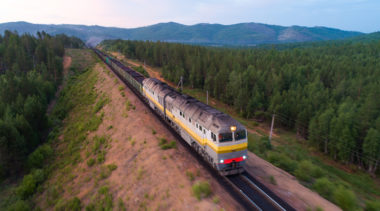
  • Surface Transportation Board May Finally Settle Freight Rail Environmental Policy Dispute
    Surface Transportation Board May Finally Settle Freight Rail Environmental Policy Dispute

    The Surface Transportation Board is likely to side with railroads in a dispute over which of two laws apply to discharges of coal particles incidental to the normal operation of railcars in transit.

    By Marc Scribner
    June 5, 2020

  • How Michigan Can Avoid K-12 Budget Cuts Hurting the Highest-Need Students
    How Michigan Can Avoid K-12 Budget Cuts Hurting the Highest-Need Students

    Disadvantaged students — who are already the most vulnerable to economic uncertainty — shouldn’t also have to shoulder the most severe losses.

    By Aaron Garth Smith and Christian Barnard
    June 4, 2020

  • Poor Cap-and-Trade Proceeds Raise More Funding Questions for California’s High-Speed Rail Project
    Poor Cap-and-Trade Proceeds Raise More Funding Questions for California’s High-Speed Rail Project

    The high-speed rail project is under growing bipartisan pressure.

    By Marc Joffe
    June 4, 2020

  • The Good and Bad In California’s Revised Budget, Which Projects a $54 Billion Deficit
    The Good and Bad In California’s Revised Budget, Which Projects a $54 Billion Deficit

    At this time of severely limited resources, the state legislature should ask each department and agency to start at zero and to justify its entire budget and spending plans.

    By Marc Joffe
    June 3, 2020

  • A Major Shift to Homeschooling Could Help Unleash Innovation
    A Major Shift to Homeschooling Could Help Unleash Innovation

    It is plausible that mass homeschooling could unlock creative thinking and technological innovation.

    By Corey A. DeAngelis
    June 3, 2020

  • Housing Regulations and Occupational Licensing Are Hurting Millennials
    Housing Regulations and Occupational Licensing Are Hurting Millennials

    From high housing prices to limited employment opportunities, government is the cause of, not the solution to, the challenges we face.

    By Vittorio Nastasi
    June 2, 2020

  • The Benefits of Using Roadways as Public Spaces Are Limited and Temporary
    The Benefits of Using Roadways as Public Spaces Are Limited and Temporary

    With decreased vehicle traffic during the coronavirus shutdowns, many major cities are closing streets to create more outdoor spaces for both public and private uses.

    By Joe Hillman
    June 1, 2020

  • The US Has Little to Fear From Cutting Off the Unaccountable World Health Organization’s Funding
    The US Has Little to Fear From Cutting Off the Unaccountable World Health Organization’s Funding

    Instead of preparing the world for a disastrous pandemic, the WHO has busied itself with counterproductive, and unscientific campaigns.

    By Guy Bentley
    May 29, 2020

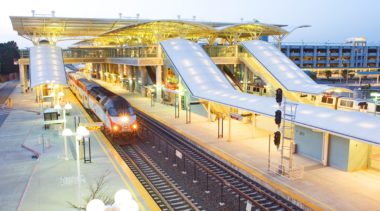
  • Work-From-Home Trends Should Have Bay Area Rethinking Rail Projects
    Work-From-Home Trends Should Have Bay Area Rethinking Rail Projects

    Lower tax revenue, stagnating population growth and tech companies' increased willingness to let people work from home, might mean costly rail extensions in San Jose and San Francisco shouldn't move forward.

    By Marc Joffe
    May 29, 2020

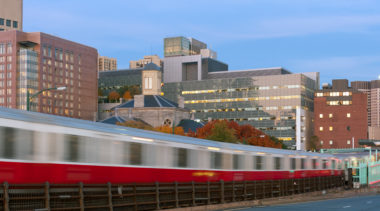
  • How Boston’s Transit System Would Benefit From Reducing Privatization Restrictions
    How Boston’s Transit System Would Benefit From Reducing Privatization Restrictions

    Contracting out transit services not only saves taxpayers and riders money, but has also been shown to improve service quality and safety.

    By Austill Stuart
    May 28, 2020

  • Podcast: Are We in the Midst of a Quiet Education Revolution?
    Podcast: Are We in the Midst of a Quiet Education Revolution?

    Surveys suggest that a substantial portion of families may continue homeschooling their children in the fall even if their schools reopen.

    By Corey A. DeAngelis
    May 28, 2020

  • Examining How States and School Districts Allocate Funding for Poverty Concentration
    Examining How States and School Districts Allocate Funding for Poverty Concentration

    Funding based on poverty concentration within a school district, rather than an individual student's economic disadvantages, has significant trade-offs that must be considered by policymakers.

    By Satya Marar
    May 28, 2020

  • The Attacks on Homeschooling Continue
    The Attacks on Homeschooling Continue

    Both sound logic and evidence are on the side of freedom in education.

    By Corey A. DeAngelis
    May 28, 2020

  • For Two Decades, North Dakota Has Failed to Properly Fund Its Public Pensions
    For Two Decades, North Dakota Has Failed to Properly Fund Its Public Pensions

    NDPERS' funded ratio was only 72 percent, with $1.2 billion in pension debt, in July 2019.
    By Raheem Williams
    May 28, 2020

  • First
  • Prev
  • 77
  • 78
  • 79
  • 80
  • 81
  • 82
  • 83
  • ...
  • 678
  • Next

Follow

  • Facebook
  • Twitter
  • LinkedIn
  • YouTube
  • RSS

Email Updates

Get weekly updates from Reason.

This field is for validation purposes and should be left unchanged.

More About Reason Foundation

  • About
  • Contact
  • Donate
  • Email Newsletters
  • Events
  • Jobs and Internships
  • Policy Research
  • Reason magazine
  • Shop

Contact

Reason Foundation
5737 Mesmer Ave.
Los Angeles, CA 90230
(310) 391-2245

1630 Connecticut Ave NW
Suite 600
Washington, DC 20009
(202) 986-0916

Privacy Policy
Accessibility

This site is protected by reCAPTCHA and the Google Privacy Policy and Terms of Service apply.


Copyright © 2026 Reason Foundation