-

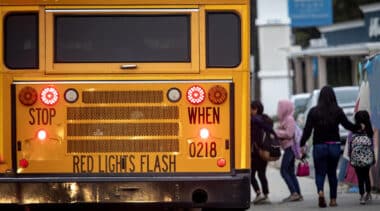
Regulatory agenda may offer glimpse into a potential Harris administration’s transportation automation policy
It's possible Vice President Kamala Harris' close ties to Silicon Valley could lead her potential administration to adopt a more positive and forward-looking view on transportation automation.
-
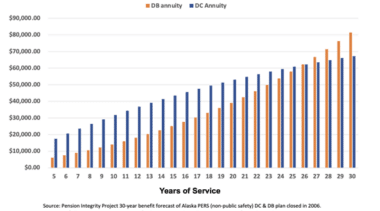
Why defined benefit plans fail the majority of public workers
A review of 12 pension systems finds only 38% of public workers are expected to stay in their jobs long enough to meet the pension system’s vesting requirements.
-
The hidden costs of New York’s cannabis social equity program
New York’s cannabis equity program risks doing more harm than good to those it was designed to help while also distorting the state’s adult-use cannabis market.
-
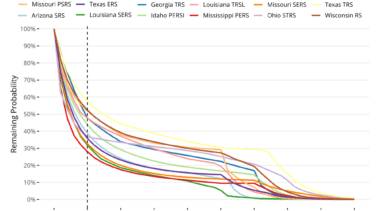
Most public employees leave jobs before they vest in pension systems
An examination of 12 public pension plans finds 62% of public workers leave before vesting in their pensions.
-
Preparing states, cities and the transportation sector for federal insolvency
The national debt and looming insolvency of entitlement programs greatly impact federal transportation spending.
-
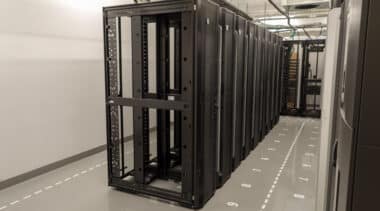
Should data centers make or buy the electricity needed to meet AI demands?
The burgeoning demand for cloud services, artificial intelligence computations, and big data analytics, has significantly increased electricity consumption.
-
Rural West Virginia families embrace open enrollment
Open enrollment was the most common form of school choice last school year, garnering 48% of the state's school choice participants.
-

3D-printed homes: Advancements in technology and remaining challenges
In light of the ongoing affordable housing crisis, 3D printing could prove a time- and cost-effective alternative to traditional construction for affordable housing.
-
DOJ anti-trust ruling on Google ignores the reality of exclusive contracts
The Justice Department's aggressive approach could have broad economic implications.
-

Last year, 200,000 students in Colorado used open enrollment to pick their public school
K-12 open enrollment is an increasingly common and popular form of school choice, allowing students to attend classes outside their assigned public school zone
-
Data center electricity needs highlight the electricity industry’s lack of effective market signals and price mechanisms
When data centers increase activity, electricity suppliers may struggle to meet demand without purchasing power from other regions or using less efficient peaking power plants.
-
Supreme Court sends Florida social media law back to lower court
Despite not directly ruling, the Supreme Court suggested the First Amendment protects companies’ right to curate and moderate content.
-
Data center electricity use: Framing the problem
Due to data centers needed for AI, previous 5-year and 10-year electricity demand forecasts are now obsolete and utilities and grid operators are revising their forecasts.
-
Default settings don’t drive search engine queries
In a major antitrust decision, a federal judge ruled Google has an illegal monopoly in search.
-
Arkansas K-12 education finance series: Adequacy review findings and recommendations so far
A 2007 Arkansas Supreme Court ruling mandates that the legislature must regularly review the adequacy of the state’s K-12 funding system.
-
State psychedelics legalization and policy roundup — July 2024
Psychedelics on the ballot in Massachusetts, Colorado proposes new regulatory rules, and Arizona Gov. Hobbs vetoes a psychedelics bill.
-
Mandatory reciprocal switching won’t enhance transportation competition
Mandatory reciprocal switching “will lead to decreased network velocity, diminished capital investments into the freight rail network, and deteriorating rail intermodal service levels.”
-
Oklahoma now has the best open enrollment policy in the country
The state's open enrollment expansion strengthens its education marketplace so students are no longer trapped by their ZIP codes.