Neliann Rivera
Transportation Policy Analyst, Reason Foundation
Neliann Rivera is a transportation policy analyst at Reason Foundation.
Originally from Puerto Rico and now based in Georgia, Rivera earned her Bachelor of Arts degree in International Affairs with concentrations in economics, business, and policy from Kennesaw State University.
Before joining Reason, Rivera served as a Reservist Emergency Management Specialist with the Federal Emergency Management Agency (FEMA). She also held various research and policy roles with the National Association of State Procurement Officials (NASPO), legislative offices, and nonprofits, where she focused on policy analysis, governance, and economic issues.She is passionate about leveraging research and innovation to shape policies that are more equitable, efficient, and accessible for the communities they serve.
-

How policymakers can improve transit operations
Improving transit performance depends less on building new infrastructure than on aligning service technology, operating models, network design, and roadway management with the way people travel today.
-

International transit systems show practical lessons to improve US transit
States and local governments can adapt proven practices using their existing authority over transit agencies, funding, and oversight.
-
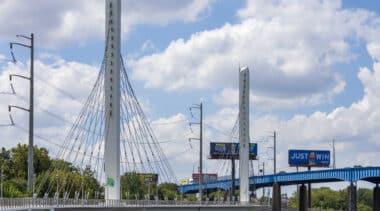
Texas launches new program to improve railroad crossing safety
By separating trains from vehicles and pedestrians, these projects can reduce crashes, delays, and roadway and freight congestion.
-
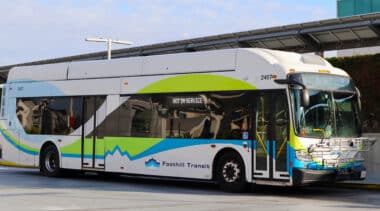
Transit contracting works when agencies pay for performance
Where competition exists, contractors that miss performance standards risk penalties, weaker evaluations, or contract termination.
-
One agency or many? What Denver and Atlanta reveal about transit governance
Transit systems may move people, but governance determines how those systems move, grow, and adapt.
-
Who is the average American transit rider? What federal data tells us about who rides public transportation
Federal transit data suggest the national rider profile is far more varied than many political and policy debates assume.
-
Weak transit board oversight is hurting public transportation investment
When a board’s structure does not reflect the complexity of its responsibilities, decisions may not be properly reviewed or enforced.
-
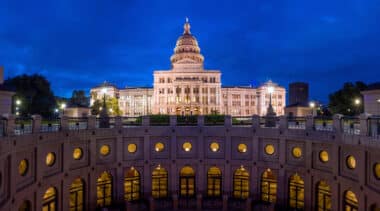
How states can prioritize needed transportation projects and improve the effectiveness of spending
Taxpayers spend billions on infrastructure, but states like Texas allow politics to play a role in determining which projects are chosen.
-
Federal transit policy incentivizes wrong actions for riders
Federal transit programs should prioritize maintaining and improving current systems before funding major expansions.
-
Federal transit oversight should focus on operations and safety, not paperwork and compliance
Transit systems work best when state and local agencies handle governance and funding rather than relying on federal mandates and compliance systems.
-
Despite increased funding, transit ridership hasn’t returned in most areas
States where transit continued to support local, all-day travel generally saw steadier post-pandemic recoveries than those focused primarily on peak-hour commuting into downtown job centers.
-
Building public trust in mileage-based road funding
Mileage-based user fees can either become another tax or a smarter, privacy-safe way to fund the roads people rely on.
-
Using the practical power of public-private partnerships to improve infrastructure
Public-private partnerships can help states deliver megaprojects but can also improve smaller-scale infrastructure projects.