-

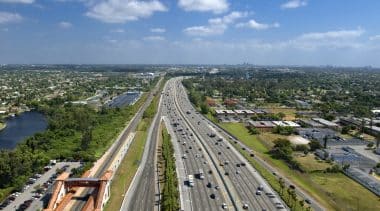
Pennsylvania Ranks 35th in the Nation in Highway Performance and Cost-Effectiveness
Pennsylvania’s best rankings are in rural fatality rate, overall fatality rate and urban fatality rate.
-
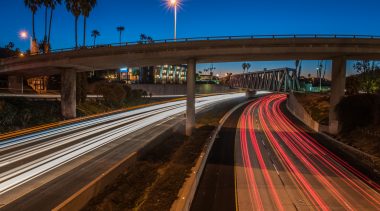
California Ranks 43rd in the Nation in Highway Performance and Cost-Effectiveness
California’s best rankings are overall fatality rate, structurally deficient bridges and urban fatality rate.
-
West Virginia Ranks 16th in the Nation in Highway Performance and Cost-Effectiveness
West Virginia’s best rankings are total disbursements per mile, traffic congestion and capital and bridge disbursements per mile.
-
Continuing Reform: Challenges Persist With the Florida Retirement System (FRS)
The retirement benefits ultimately received by members of both plans within FRS will come at an ever-increasing cost to taxpayers and other public services if needed technical adjustments to both plans go neglected.
-
Assessing the Financial Sustainability of Montana’s Largest Public Pension Systems
Despite investment markets showing historic gains, Montana’s public pension systems are experiencing an increase in unfunded liabilities and are likely to continue on their path to insolvency if needed technical adjustments aren't made.
-
A Student-Centered Approach to School Finance That Benefits Every Child In North Carolina
Overhauling the state’s funding system would provide the foundation needed to unlock the potential of school leaders to maximize how and where education dollars are deployed.
-
Weighted Student Formula Yearbook, 2019
Examining 20 school districts that have implemented backpack funding and the 10 school empowerment benchmarks they should aspire to meet.
-
Consumer Surplus in the FDA’s Tobacco Regulations
The forthcoming cost-benefit analyses of the FDA’s proposals for nicotine reduction in tobacco and for banning flavors in e-cigarettes must follow standard economic methodology and not assume away part of the consumer surplus.
-
Teachers’ Retirement System of Louisiana (TRSL) Pension Solvency Analysis
Investment returns failing to meet unrealistic expectations has been the largest contributor to the unfunded liability growth, adding $4.2 billion to the unfunded liability since 2000.
-
Deal or No Deal? The Effects of Deregulation on Public School Leaders’ Support for Private School Choice in California
Public school leaders might be more likely to support private school voucher programs if they are enacted alongside public school deregulations.
-
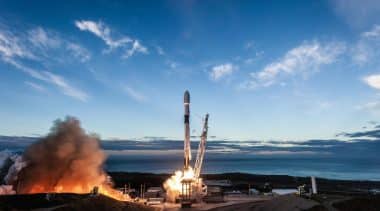
The Economics of Space: An Industry Ready to Launch
Here are cooperative ways for government agencies and the private sector to promote widespread commercialization of space transportation and accelerate the pace of exploration and economic development of space.
-
Marijuana Delivery: Addressing Concerns and Public Policy Issues
There is little reason to suggest that any of the social and economic costs potentially associated with legalization are exacerbated to any extent by allowing delivery services.
-
Will Democracy Endure Private School Choice? The Effect of the Milwaukee Parental Choice Program on Adult Voting Behavior
These findings suggest that the private benefits attained by students using voucher programs do not come with any social costs associated with diminished voting behavior.
-
A Common Sense Approach to Marijuana Therapy
Individuals and their doctors should be making appropriate marijuana therapy determinations.
-
Market Size Estimates For Legalized Marijuana
Estimates for the potential size of a new legal marijuana market are often riddled with uncertainty and inaccuracy, and can also be skewed by tenuous assumptions.
-
A Historical Review of State Efforts and Authority To Regulate Cannabis
The history of cannabis regulation begins largely in California during the Gold Rush.
-
Using Managed Lanes in Metro Areas to Fund the Reconstruction of Interstate Highways
Value-added tolling is the most realistic way to pay for the needed rebuilding of Interstate highways.
-
The Case for Toll-Financed Interstate Replacement
Addressing both the need to rebuild Interstates and the need to begin the transition from per-gallon fuel taxes to per-mile highway user charges.