Latest
-

San Diego’s government needs more competition, not more taxes
San Diego’s rising pension costs and mounting long-term debt are creating significant budget pressures that have city officials turning to tax and fee increases.
-
The ROAD to Housing Act carries promise but risks bureaucratic expansion
While this approach may seem like a balanced first step, it raises important questions about how far federal agencies should go in shaping local decisions.
-
Surface Transportation News: Key Bridge replacement costs soar
Plus: Fixing the Highway Trust Fund, Spain de-tolls motorways resulting in problems, and more.
-
Why the World Health Organization’s anti-nicotine policy could keep millions smoking
If these recommendations are put in place, they could discourage millions of smokers from switching to safer alternatives.
-
What state policymakers should know about homeschoolers
For state policymakers, it is crucial to have an accurate understanding of modern homeschoolers when considering new laws or regulations.
-
Restoring robust hearing practices will protect consumers from defective aviation consumer protection regulations
The recent history of Section 41712 discretionary rulemaking suggests that regulatory analysis has not been sufficiently robust to avoid harm to consumers.
-
State and local governments are drowning in debt
To address this mountain of debt and restore fiscal stability, state and local governments must sustainably align spending with revenues.
-
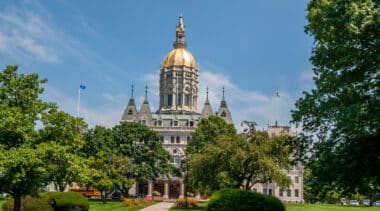
Connecticut’s pensions shouldn’t make political investment in WNBA team
Keeping the Connecticut Sun in the state may be good politics, but would be an unwise financial move that puts the state's taxpayers at risk.
-
Pension Reform News: Reason analysis shows debt drives the rise in pension costs
Plus: Ohio bill would advance shared pension responsibility, Florida has decades to go before fully funding benefits, and more.
-
Model legislation would authorize groundbreaking research into ibogaine for mental health
Growing research has demonstrated the promise of ibogaine in treating a wide range of intractable conditions, which could benefit veterans.
-
Southern California school districts spend big, but student outcomes have barely budged
California's per student spending increased by nearly 79 percent between 2002 and 2023.
-
Legal sports betting didn’t create corruption. It exposed it.
Banning sports betting so that it falls exclusively into the hands of criminals and offshore platforms won’t eliminate corruption; it may very well worsen it.
-
Federal Trade Commission fails to convince judge that Meta monopolizes social media
In its zeal to punish Big Tech, the Federal Trade Commission stuck to a market definition that became more obsolete with every year.
-
Funding Education Opportunity: Study examines K-12 education spending, teachers’ salaries and benefit costs
All 50 states increased K-12 funding from 2002 to 2023, but inflation-adjusted average teacher salaries fell by 6.1% between 2002 and 2022,
-
K-12 Education Spending Spotlight 2025: Annual public school spending nears $1 trillion
Eight states spend more than $25,000 per student: New York, New Jersey, Vermont, Connecticut, Pennsylvania, California, Rhode Island and Hawaii. Public school enrollment fell in 39 states from 2020 to 2023.
-
Most public pension contributions go toward paying off debt, not funding benefits
Over 50% of the public pension contributions by state and local governments are directed toward paying off pension debt rather than to benefits themselves.
-
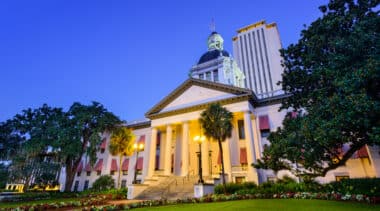
Florida Senate Bill 208 would strengthen property rights and improve housing affordability
Senate Bill 208 reinforces the right of property owners to determine the most productive use of their land within reasonable bounds of public safety.
-
Report: Cities have $1.4 trillion in debt
San Francisco, Nantucket, New York City, Ocean City, and Miami Beach are the cities with the most per capita debt.