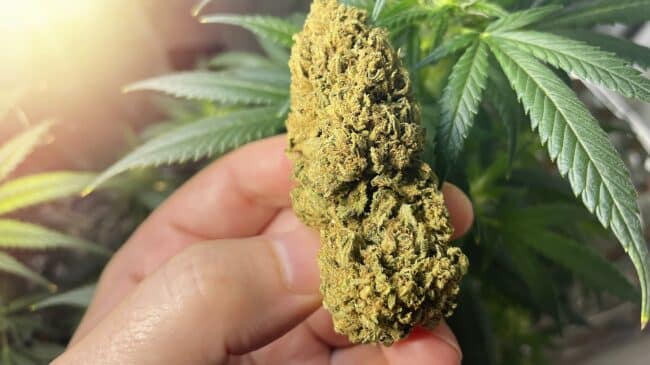


Massachusetts is considering a measure to reverse legalization, regulation, and taxation of marijuana. The state legalized adult use, or “recreational,” marijuana in 2016, with 54% of voters approving a ballot measure that made sales and home growing of marijuana legal for adults. Question 8 on the state’s Nov. 3 ballot would repeal provisions of the 2016 legalization, ending legal adult-use sales and criminalizing home grows, but would keep possession of small quantities of marijuana decriminalized.
Question 8 offers Massachusetts voters a choice between an imperfect but regulated legal marijuana market and a return to prohibition, with all the costs and unintended consequences that entails. Rejecting this rollback attempt would signal that voters recognize the best way to address concerns about regulatory shortcomings is to improve the regulations, not retreat to a failed policy voters roundly rejected a decade ago.
This is the first attempt to roll back legalization in the dozen years since states started moving toward legalization. Over that period, Massachusetts became one of 24 states and the District of Columbia that have legalized and regulated “recreational” (or “adult-use”) marijuana.
By many metrics, legalization has been a successful policy, especially when compared to the harms caused by prohibition, and the sky has not fallen. There have, of course, been missteps in Massachusetts and elsewhere, with states implementing different versions of legalization. The illicit market has not been fully eliminated in the Commonwealth, but it has certainly shrunk since legalization. A report recently published by the Cannabis Control Commission shows that 84% of Massachusetts residents who use cannabis obtained it from a licensed source. That is a decent endorsement of the state’s regulated market.
There is no groundswell for this effort to re-prohibit marijuana. It is not a grassroots movement. The group backing the repeal, the Coalition for a Healthy Massachusetts, is funded almost entirely by Smart Approaches to Marijuana (SAM), a longtime opponent of marijuana legalization headquartered in Alexandria, VA. The advocacy group has poured nearly $3.5 million into the repeal effort in Massachusetts.
Supporters of Question 8 claim legalization has introduced offensive odors to Massachusetts streets, endangered minors, failed to eliminate the illegal market, and contributed to road accidents. They suggest that cannabis commercialization is the cause of some youth mental health problems, though the change in policy to legalization only applied to adults and has not led to increased youth use.
According to the official Massachusetts ballot, Massachusetts would lose significant tax funds from the legal market if it re-criminalizes the supply market. The ballot reads: “In fiscal year 2025, taxation of the retail sale of adult recreational use marijuana raised approximately $280 million in state revenue and $50 million in local revenue. The state budget, which is supported by tax revenue, funds local aid for schools and municipal budgets.” Jobs in those legal markets would also be lost.
Question 8 is opposed by a slightly bipartisan phalanx of local and national elected officials, from Massachusetts Gov. Maura Healey, to Sen. Elizabeth Warren (D-Mass.), to current Boston Mayor Michelle Wu. The state SEIU and the Retailers Association of Massachusetts also oppose it. More than 62 state lawmakers have also endorsed the “No on 8” campaign opposing the ballot measure.
Opponents of Question 8 note that prohibition does not make people safer, and point to the harms of the illicit market. Opponents also debunk fear-mongering claims by proponents suggesting that legalization in Colorado caused increases in harm to children. Based on an analysis of Centers for Disease Control data by the Marijuana Policy Project, adult-use legalization has coincided with a reduction in youth marijuana use. The report finds that past-month marijuana use by high-school-aged youth in Massachusetts was 26% in 2015, the year before legalization. By 2025, that rate had dropped to 12%. The same declining rates of youth marijuana use have been observed in other states following marijuana legalization, lending support to the idea that regulated markets better protect youth than criminalized markets. After all, drug dealers don’t have to comply with state regulations or check IDs as is mandated at legal points of sale.
One practical concern is that the ballot descriptions are a little confusing, including the repetition of identical language in both the yes and no descriptions, which may confuse some voters about how to vote. The comedians from Broken Lizard, most famous for “Super Troopers”—a film about marijuana-smoking highway patrolmen—have come out against the effort to recriminalize cannabis in Massachusetts with an ad poking fun at the measure’s wording and urging voters to “just say no” to Question 8. The spot was sponsored by the Committee for Responsible Cannabis Policy, a ballot committee formed by members of the nonprofit group Law Enforcement Action Partnership.
In addition, some claims made in the official ballot language are misleading. For example, the ballot claims: “Since commercial legalization, marijuana is now the most common drug found in fatal car accidents in Massachusetts.” This omits the fact that marijuana can be detected in the human body for up to three months (depending on the method of testing), long after its impairing effects have worn off. Its presence in toxicology screening for those involved in car accidents does not mean the drug caused the accident or even impacted that person’s driving. Moreover, many accidents involving marijuana also involve other drugs, such as alcohol.
Question 8 may fail, which could prevent a raft of similar rollback attempts in other states. A mid-September poll found 61% of Massachusetts likely voters would oppose Question 8, meaning they do not want to repeal the existing regulations that provide for a safe and legal supply for adults choosing to use marijuana. At the same time, 11% said they were undecided, and fewer than one-third of likely voters favored the measure. Another poll fielded in the same timeframe found 71% would vote against the measure at the time of the survey.
While SAM has not succeeded in initiating any other ballot measures in 2026, another ballot measure in Idaho, HJR 4, shows such strong animus toward legalization that it seeks to strip citizens of the right to use the ballot initiative process to legalize marijuana or any other drug. Idaho is one of only nine states left without any legal access to marijuana, medical or recreational, despite citizens unsuccessfully attempting to get ballot measures qualified since 2012.
Back in Massachusetts, if voters don’t get confused that voting ‘yes’ on Measure 8 would be a vote in favor of repealing marijuana legalization, it seems very possible the measure will fail, signaling that prohibition is not ascendant. Given the lack of widespread complaints about the program over the last decade, and the persistent, clear failures of prohibition, citizens should reject this attempt to return to a criminalized market.