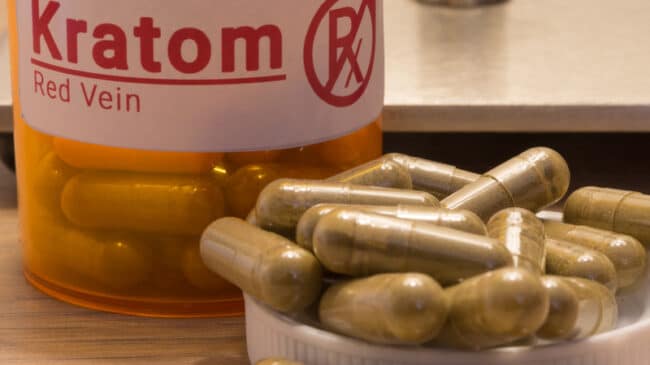

University officials have urged the public to avoid speculating about the circumstances that led to the deaths of two students at the University of Mississippi, or “Ole Miss,” following news that both potentially used kratom products prior to their deaths. Some media outlets have linked the deaths to kratom use anyway, adding to the pressure on local and federal lawmakers to ban all kratom products. Tragic as these deaths are, the use of kratom by these students does not mean that kratom caused their deaths and policymakers should not rashly institute prohibitions that are unlikely to prevent deaths like this in the future.
Aidan Hamilton, 18, and Robert Strang, 20, were found dead on Sept. 21, reportedly with similar packages of kratom products nearby. It is not yet clear exactly what these products contained, whether either had been using those products when they died, or what else they may have taken. Autopsy and post-mortem toxicology reports have not yet been made public.
Based on the packaging, these products likely contained at least mitragynine pseudoindoxyl (MGPI) and dihydro-7-hydroxymitragynine, known as MGM-15. Both have been classified as controlled substances since August 2026 when the Drug Enforcement Agency moved to temporarily list these and other derivatives of kratom under Schedule I of the Controlled Substances Act.
These are not the traditional preparations of kratom, the colloquial name given to a variety of products derived from the leaves of the Mitragyna speciosa tree. In Southeast Asia, where kratom trees grow, people typically chew kratom leaves or brew them into a tea that can alleviate pain, boost energy, or help alleviate opioid cravings and withdrawal. With traditional preparations, users primarily ingest mitragynine—the plant’s most abundant alkaloid. Some of that mitragynine is then converted by the liver into its more potent metabolite, 7-hydroxymitragynine (7-OH)—a minor alkaloid found in only trace amounts in the plant itself—which is believed to produce most of the plant’s pain-relieving effects.
Since gaining popularity in Europe and the U.S., kratom manufacturers have learned how to isolate the alkaloids in kratom extracts, allowing manufacturers to add an unlimited amount of those minor alkaloids, like 7-OH, into gummies, shots, capsules, or tablets to create more potent “concentrated” products. While traditional kratom preparations have been used for generations in Southeast Asian countries with few adverse events reported, concentrated kratom products have received significant media and regulatory attention in the U.S. due to several high-profile incidents of adverse effects. Most, but not all, of these incidents can be traced to poor manufacturing processes, such as contamination with salmonella or heavy metals, or to illicit suppliers who have laced kratom products with other substances, like opioids.
Even aside from poor manufacturing processes or intentional adulteration, these products still carry risk. For example, the evidence is clear that mixing kratom with other substances is a bad idea. While lower doses of kratom leaves can be stimulating, higher doses cause sedation. Taking kratom alongside other depressants, like alcohol, cold medicine, or a range of prescription medications, may compound that sedative effect.
Mixing kratom with other medications can lead to another potentially dangerous side effect. Many of kratom’s alkaloids have been shown to bind to and inhibit the liver enzymes needed to metabolize many common prescriptions and over-the-counter medications. This is similar to how grapefruit juice can alter medication metabolism and why labels on many medications caution against mixing that medication with grapefruit juice. Combining kratom with such medications can lead to a toxic build-up of the medication because the body cannot clear it from the bloodstream quickly enough.
According to statements made by their roommates, both students were regular users of other drugs. Hamilton was supposedly a frequent cannabis user while Strang was reportedly a daily user of “whippets,” or nitrous oxide, and had consumed a “Xanax bar” in the hours leading up to his death. The possible use of Xanax—a central nervous system depressant—alongside kratom is especially concerning, as kratom is known to inhibit the precise enzyme the body uses to metabolize that medication.
Despite these risks, deaths linked to kratom remain exceedingly rate in the U.S., even for concentrated products. Moreover, nearly all those deaths involve the use of additional substances. Since 2019, federal officials have identified just 85 overdose cases related to concentrated 7-OH products, 55 of which were fatal, with many involving the co-ingestion of opioids. Similarly, when researchers examined all fatal overdoses between 2016 and 2017—more than 127,000 deaths—they identified only 152 where post-mortem toxicology found kratom in their systems. Of these, only in seven cases was kratom the only substance found in their system. Nearly all people who have died while using kratom had also consumed far more dangerous substances like heroin or cocaine.
This is not to say that kratom is safe or that it played no role in the deaths at Ole Miss. The death of two students is tragic and deserves a thorough investigation. But that investigation must answer whether the specific kratom products involved caused their deaths, not simply whether the students used them. That question cannot be answered until toxicology and autopsy reports are made public and the products they used have been analyzed. What we know so far seems to paint a more complex picture.
Both students allegedly used other substances, with claims that one had been using depressants with known kratom interactions. The product involved—reportedly the same brand purchased by both students—was illicitly purchased, raising questions about its quality and ingredients, and overdoses involving kratom rarely involve kratom alone.
It is likely that toxicology reports will show that one or both of the students were using kratom at the time of their deaths. This will undoubtedly lead to demands for a total prohibition on kratom products, as Mississippi Attorney General Lynn Fitch has already called for following the deaths. But, while the rush to blame kratom is understandable, this urge is not evidence-based and won’t prevent tragedies like this in the future.
There are currently an estimated five million adults who use kratom in the U.S. Surveys indicate that a substantial portion of them use kratomto wean themselves off opioids. Outlawing all kratom products will not eliminate this demand. Instead, some kratom consumers will return to opioids or turn to illicit suppliers of kratom—suppliers with no incentive to comply with regulations or age restrictions. In addition to putting those adults at even greater risk, the proliferation of illicit kratom dealers may perversely increase youth access to those products and whatever else illicit dealers may be selling.
The better solution is to regulate kratom products to ensure they are produced through safe manufacturing processes for adults and kept away from youth. Mississippi already restricts sales of kratom products to those 21 years or older. It was already against the law in Mississippi for Hamilton and Strang to have purchased kratom. Mississippi law also limits the allowable concentrations of alkaloids, like 7-OH, and bans synthesized alkaloids, functionally outlawing concentrated kratom products.
Whether or not the students’ deaths were caused in whole or part by kratom, no retailer should have sold them any type of kratom due to their age. The suspected products involved should not have been sold to anyone based on their ingredients, which are prohibited under both Mississippi and federal law. Outlawing more products will not prevent deaths like those at Ole Miss. But regulating them and enforcing those rules might.