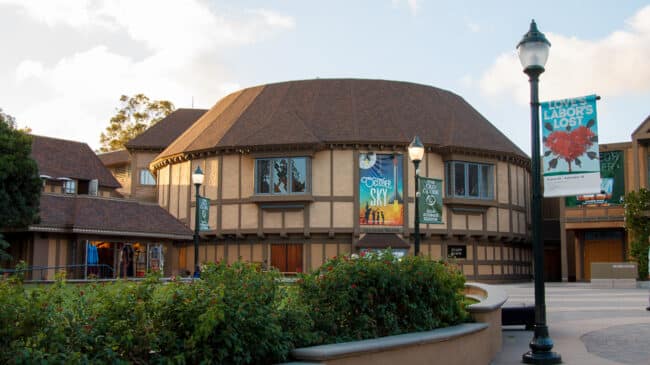

San Diego is facing a $146 million budget deficit, so Mayor Todd Gloria’s proposed budget must cut spending. To help close the gap, the mayor recommended reducing library and recreation center hours, closing a homeless services facility, implementing unpaid furloughs for some city workers, and pausing $11.8 million in arts funding, among other cuts.
Leaders in the art community are calling the budget proposal “catastrophic” and warn that it “threatens the foundation of this entire ecosystem.”
While the concern is understandable, and nearly all spending cuts generate complaints from those most impacted, the city faces severe long-term fiscal challenges beyond this budget deficit, and needs to start reducing spending. City leaders and taxpayers need to prioritize essential services, such as education, infrastructure, and public safety.
Despite San Diego’s lower-than-expected revenues on its Balboa Park paid parking program, Petco Park event-based parking, and cannabis tax revenue, it is clear that revenue problems are not driving the budget deficit.
According to the city’s annual financial reports, property tax revenue increased from $471.3 million to $807.1 million between fiscal years 2016 and 2025, a 71.2% increase. Revenue from the Transient Occupancy Tax, or hotel tax, increased 53.8%, from $107.7 million to $165.6 million over the same 10-year period. Both revenue sources significantly outpaced inflation, which increased by about a third. All while San Diego’s population stayed relatively flat, moving from 1,391,676 to 1,408,937 over that period.
The problem is that while general fund revenues increased by 74.4% between 2016 and 2025, San Diego’s spending rose by 88.5% over the same period.
In terms of spending added to the budget, the largest single category increase was the city’s “General Government and Support” bucket, a broad category that includes the mayor and City Council’s offices, human resources, information technology, the city attorney, finance, and the city’s employee benefit contributions.
Unnecessary increases in the number of government workers are driving some of those costs. As the Union-Tribune reported, “there are more than five times as many high-paid middle managers known as ‘program coordinators’ and ‘program managers’ at the city as there were a decade ago.”
Mike Zucchet, general manager of the Municipal Employees Association, stated that the number of middle manager jobs “skyrocketed since fiscal year 2015 from 70 to 393 — up 461%.” In a social media post, Mayor Gloria says his fiscal year 2027 proposal cuts 48 of those middle manager positions.
But far more streamlining is needed because middle managers aren’t the only component inside that growing bucket of city spending.
San Diego taxpayers contributed $533 million ($378.1 million for the general fund) to the city’s public pensions in the 2026 fiscal year and are expected to pay even more in 2027 and 2028, with some possible relief in subsequent years.
Reason Foundation research finds that San Diego’s pension debt, measured per capita and as a share of its long-term debt, is higher than that of other California cities.
The San Diego City Employees’ Retirement System has $3.2 billion in unfunded liabilities and is currently only 78% funded, meaning the pension plan has only 78 cents of every dollar needed to pay for benefits already promised to workers and retirees. Courts have ruled that public pension obligations can’t be legally cut, so taxpayers must pay.
If spending growth continues to outpace revenue, the city will face larger deficits and more extensive cuts. While the city works to get its fiscal house in order, San Diego’s artists can thrive without government funding or meddling. In today’s overheated political climate, government-funded art is also likely to attract the attention of overzealous censors who dislike it. Artists should be free and independent.
It is also worth noting that San Diegans provide substantial private support for the arts, well above the city government’s taxpayer-funded levels. Just last September, the Prebys Foundation announced $13.4 million in “emergency” grants to 61 San Diego arts and culture organizations in response to “federal and state funding cuts, local budget shortfalls, donor fatigue and inflation.” The San Diego Museum of Art, San Diego Symphony, The Old Globe, and La Jolla Playhouse all received $1 million grants.
Given San Diego’s structural budget deficit and long-term debt, city leaders must cut spending and prioritize the most essential services, which don’t include art subsidies.
A version of this column first appeared at The San Diego Union-Tribune.