Baruch Feigenbaum
Senior Managing Director, Transportation Policy, Reason Foundation
Baruch Feigenbaum is senior managing director of transportation policy at Reason Foundation.
Feigenbaum has a diverse background researching and implementing transportation issues including revenue and finance, public-private partnerships, highways, transit, high-speed rail, ports, intelligent transportation systems, land use, and local policymaking. Prior to joining Reason, Feigenbaum handled transportation issues on Capitol Hill for Rep. Lynn Westmoreland.
Feigenbaum is a member of the Transportation Research Board Bus Transit Systems and Intelligent Transportation Systems Committees. He is vice president of programming for the Transportation and Research Forum Washington Chapter, a reviewer for the Journal of the American Planning Association (JAPA), and a contributor to Planetizen. He has appeared on NBC Nightly News and CNBC. His work has been featured in the Washington Post, The Wall Street Journal and numerous other publications.
Feigenbaum earned his master's degree in Transportation Planning with a focus in engineering from the Georgia Institute of Technology.
-

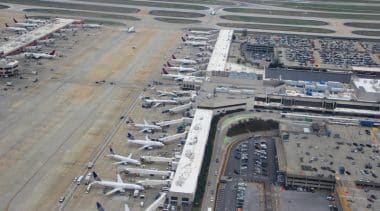
Atlanta Airport Improvements Needed Sooner than Expected
Growing airport needs parking, restrooms and gates for new domestic passengers
-
More Bike Commuting Without Making Traffic Worse
The key, however, is to implement long-range plans that improve cycling infrastructure without making the region’s auto travel times even worse.
-
-
California’s Regulatory Climate Is Crushing Transportation Innovation
Onerous regulations on ride-booking, private buses and self-driving vehicles hurt drivers and stifle economy
-
Innovative Financing Tools Help States Stretch Transportation Resources
Testimony before the Senate Finance committee on the role of public-private partnerships and state infrastructure banks in transportation financing
-
-
-
-
-
-
-
Proposed I-710 Tunnel Would Reduce Southern California’s Traffic Congestion
Better highway networks can increase job opportunities and economic growth
-
-
-
-
-
-
Prioritizing Southern California’s Freight Networks
Congress needs to replace politicized parts of infrastructure policy with a merit-based system