
Jay Derr
Transportation Policy Analyst, Reason Foundation
Jay Derr is a transportation policy analyst at the Reason Foundation.
A Louisiana native, Derr attended Louisiana State University, where he earned his undergraduate degree with a major in political science and a minor in history.
Before joining Reason, Derr worked at the Pelican Institute for Public Policy.
-
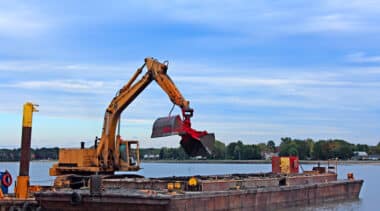
The US needs to reform harbor fees to encourage more equitable trading
A user fee based on tonnage appears to be the most promising solution.
-
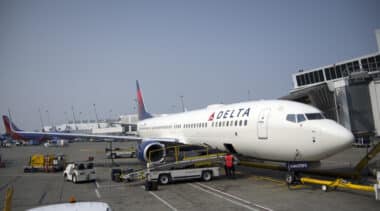
Airlines should learn from CrowdStrike outage
After cancelling thousands of flights due to CrowdStrike’s outage, airlines ought to focus on IT system resilience efforts.
-
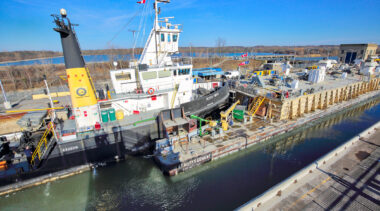
The Water Resources Development Act of 2024 has some promising reforms, and many missed opportunities
Congress has made some good changes in the latest version of the biennial legislation but seems overwhelmingly content with the status quo.
-
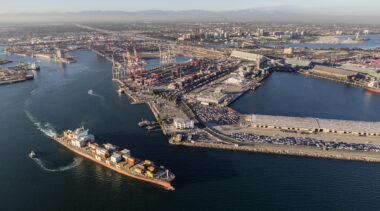
Changes to federal port fund are helping some major ports
Changes to budget cap formulas for the Harbor Maintenance Trust Fund and added spending criteria benefit donor ports that have bankrolled the fund.
-

Computer software can help solve the overnight truck parking problem
State governments should examine and implement cost-effective technologies that could help truckers find the best places to park.
-

The Foreign Dredge Act increases costs and will slow the Key Bridge cleanup
The antiquated Foreign Dredge Act of 1906 has long-hindered U.S. port development and slowed recovery efforts in emergencies.
-
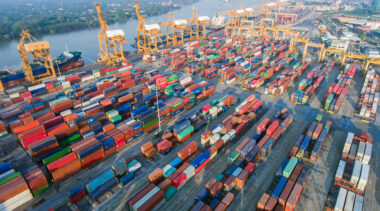
U.S. tariffs on China have failed miserably
Instead of extending these failed tariffs and trade policies, they ought to be repealed.
-
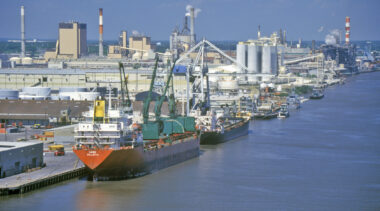
Georgia shouldn’t block the development of private SeaPoint Terminal
The Georgia Ports Authority and Port of Savannah are fighting efforts to privately build the SeaPoint Terminal.
-

The significant differences between Rhode Island’s unconstitutional bridge tolls and Louisiana’s Calcasieu Bridge
A federal judge ruled Rhode Island’s truck tolls on interstate bridges unconstitutional, but Louisiana's Calcasieu River Bridge plan is significantly different.
-
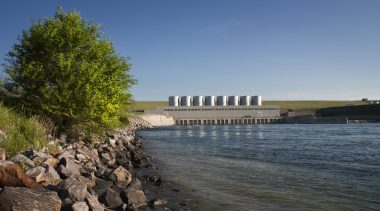
Congress can spur private investment to improve ports, harbors and waterways
In Water Resources Development Act negotiations, Congress can reform the U.S. Army Corps of Engineers and its funding mechanisms.
-

Proposal to replace Louisiana’s Calcasieu Bridge voted down by transportation committee
State policymakers rejected the most affordable and time-efficient way to replace the bridge.
-
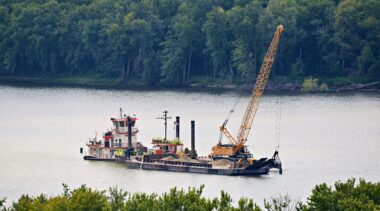
Mississippi River is dangerously low and outdated federal law is blocking solutions
The 1906 Foreign Dredge Act forces the U.S. to use smaller, older, and less efficient dredges than Europe is using.
-
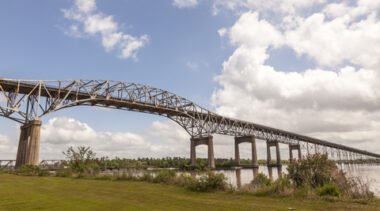
A public-private partnership is needed to replace Louisiana’s I-10 Calcasieu River Bridge
It's a project expected to cost billions of dollars that the state hasn't set aside.
-
Florida needs more research on phosphogypsum’s use in road construction
The state should establish some test scenarios for demonstration and submit them for EPA approval.
-
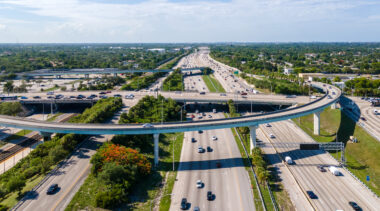
Collection costs are a major barrier to mileage-based user fee implementation
Mileage-based user fees face implementation challenges due to their expected increased collection costs compared to gas taxes.
-

Biden administration’s proposed changes would make it easier for agencies to justify regulations
Federal agencies wouldn't have to adequately address the fiscal consequences of most regulations.
-
We can’t design and regulate away all risks of roads
Safer streets are a laudable goal worth pursuing, but engineers are not designing streets with the intention of them being unsafe.
-

Ridership struggles in cities like Dallas and Chicago highlight the transit challenges ahead
Buses, demand-response services, and other flexible innovations are going to be needed as major cities adapt to changing work and commuting patterns.