-

Automated license plate readers require scrutiny—and due process
A response to Charles Fain Lehman’s “In Defense of Flock” article.
-
California undermines pension reforms with benefit boost for first responders
If signed by Gov. Newsom, a new bill will undermine progress made on reducing the state’s massive pension debt and put taxpayers on the hook for over $11 billion in new costs.
-
Texas property tax relief won’t last unless local governments rein in spending
Recent exemptions may lower tax bills temporarily, but durable relief requires limits on local spending, borrowing, and costs.
-
Depoliticizing public employee pension plans: Building robust legal and structural guardrails for sustainability
Many political vulnerabilities that threaten sound design and funding of public pensions can be addressed with apolitical guardrails.
-
Probation and parole rules haven’t caught up with medical marijuana legalization
In many states, people on probation and parole are forbidden to use medical marijuana, even when legally recommended by a physician.
-
Fiscal red flags reveal growing problems in California governments and school districts
California has the largest total debt of any state in the nation, nearly $497 billion in state liabilities.
-
Organized labor takes aim at California’s driverless truck rules
Today, most states already allow autonomous trucks to be tested and deployed on public roads, but California has by far the most onerous regulations.
-
Survivor justice acts bring common sense to sentencing
These laws allow full and adequate consideration of abuse and the role it can play in offenses.
-
International transit systems show practical lessons to improve US transit
States and local governments can adapt proven practices using their existing authority over transit agencies, funding, and oversight.
-
Idaho gets housing policy right and sets up future success
Idaho’s 2026 housing package treats affordability as a supply problem caused by excessive regulation.
-
More states should embrace open enrollment for public schools
Every state that has implemented strong open enrollment policies has seen improvements for the students using the program.
-
Lawmakers set to give more lavish pension benefits to California’s highest-paid workers
California Assembly Bill 1383 is a taxpayer-funded handout to highly compensated, long-tenured public employees.
-
Data center taxation should be guided by sound policy, not short-term gains
States should craft tax policy that is efficient, neutral in its treatment of different businesses, and built for long-term prosperity.
-
Ranking the states most and least dependent on the federal government
In some states, federal funds make up a modest share of government revenue, while in others they represent 40% of state and local budgets.
-
New York City Mayor Mamdani cuts red tape, but needs to hold government accountable
City Hall would simply have to apply the same standard to itself that it recently applied to every small business owner in New York.
-

Connecticut’s pre-K endowment diverts pension dollars
In diverting surplus money away from reducing Connecticut’s pension debt, the funding mechanism for the pre-K endowment may create future financial challenges.
-
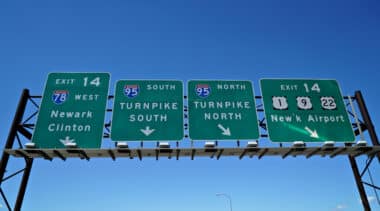
New Jersey’s highway system still falls short
New Jersey ranks last in traffic congestion and 40th overall for highway performance.
-

Data show California does not have a public safety staffing crisis. Public pension reforms should not be rolled back.
Lawmakers should not impose billions of dollars in new pension costs on local governments and taxpayers based on claims of a workforce crisis that the data do not support.